Windows, glazing and EPCs: how much a replacement really adds
New windows are one of the most visible home improvements a buyer or landlord makes, but on the EPC they are usually a modest contributor, not a band-changing measure on their own.
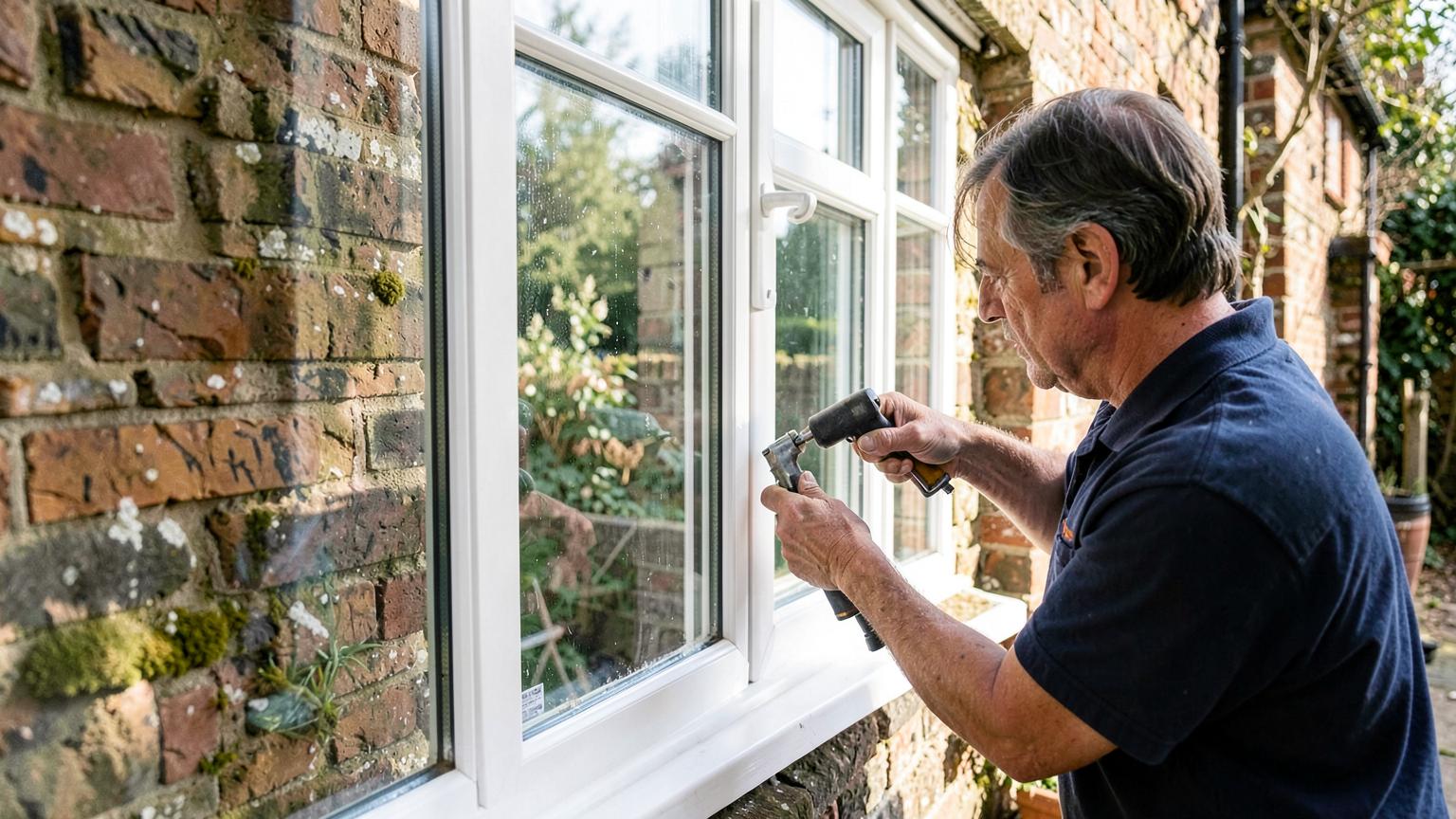
Replacing single glazing with modern double or triple glazing typically improves an EPC by a modest amount, often not more than a few points, because windows are a smaller share of overall heat loss than walls, roof and heating. Replacing tired or poorly performing double glazing with current-standard units usually adds less again. The improvement only registers with evidence, normally a FENSA or CERTASS installation certificate confirming the glazing meets current building regulations. Glazing is rarely the single measure that changes an EPC band on its own, though it contributes alongside other improvements.
Properties with reasonably modern double glazing already fitted
Where glazing sits in the RdSAP model
RdSAP assesses fabric, heating, controls, glazing, lighting and renewables using standardised assumptions, and glazing is recorded by type — single, double or triple — along with an estimate of the proportion of the building's window area that each type covers where a mix exists. Compared with wall insulation or the heating system, glazing typically contributes a smaller share of total heat loss in most house types, simply because the total window area is usually less than the total wall area. This means owners who replace old sash windows expecting a dramatic EPC jump are often surprised that the movement on the certificate is real but modest, particularly if the walls and roof are already reasonably insulated and the improvement is competing for a smaller slice of the overall heat loss picture.
Glazing type is recorded as single, double, triple, or a mix by proportion
Window area is generally smaller than wall area, so its overall weighting in the model is usually lower
The improvement from glazing is more visible on properties with a high proportion of window to wall area
Glazing works best as one part of a package of fabric measures rather than a standalone fix
Single to double glazing: the case where it matters most
The largest realistic glazing-driven improvement comes from replacing genuine single glazing, still found in a meaningful number of pre-1980s properties that have not been previously upgraded, with modern double glazing meeting current building regulations. Single glazing loses heat considerably faster than double glazing, and RdSAP reflects that difference clearly in the fabric heat loss calculation. On a property where single glazing is the last significant unaddressed fabric weakness — walls and roof already insulated, heating already efficient — replacing it can be the measure that pushes the rating up a band, though it is more common for it to contribute a useful improvement alongside other work rather than to move a band entirely on its own.
The buildings behind this advice
Old double glazing to new double glazing: usually a smaller gain
Where a property already has double glazing, even older units installed decades ago with thinner glass, wider gaps or aluminium frames without a thermal break, replacing them with current-standard double glazing produces a real but generally smaller improvement than the single-to-double transition, because RdSAP's default assumptions for existing double glazing are already reasonably favourable regardless of its actual age or condition. This is a common source of disappointment: an owner who has spent a substantial sum on new windows purely to improve their EPC discovers the certificate barely moves, because from RdSAP's standardised perspective, the old windows were already being credited as double glazed.
Triple glazing and secondary glazing
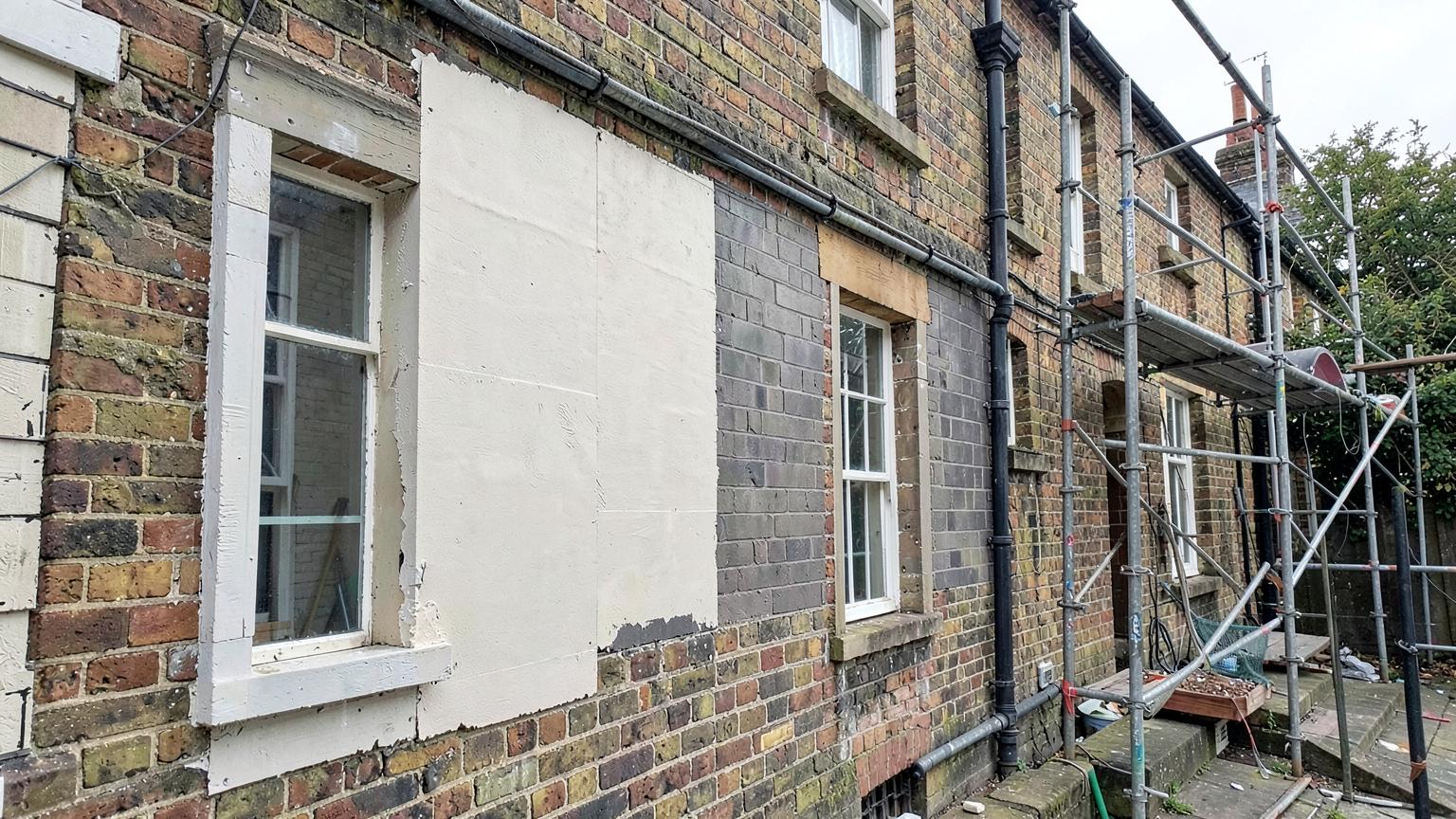
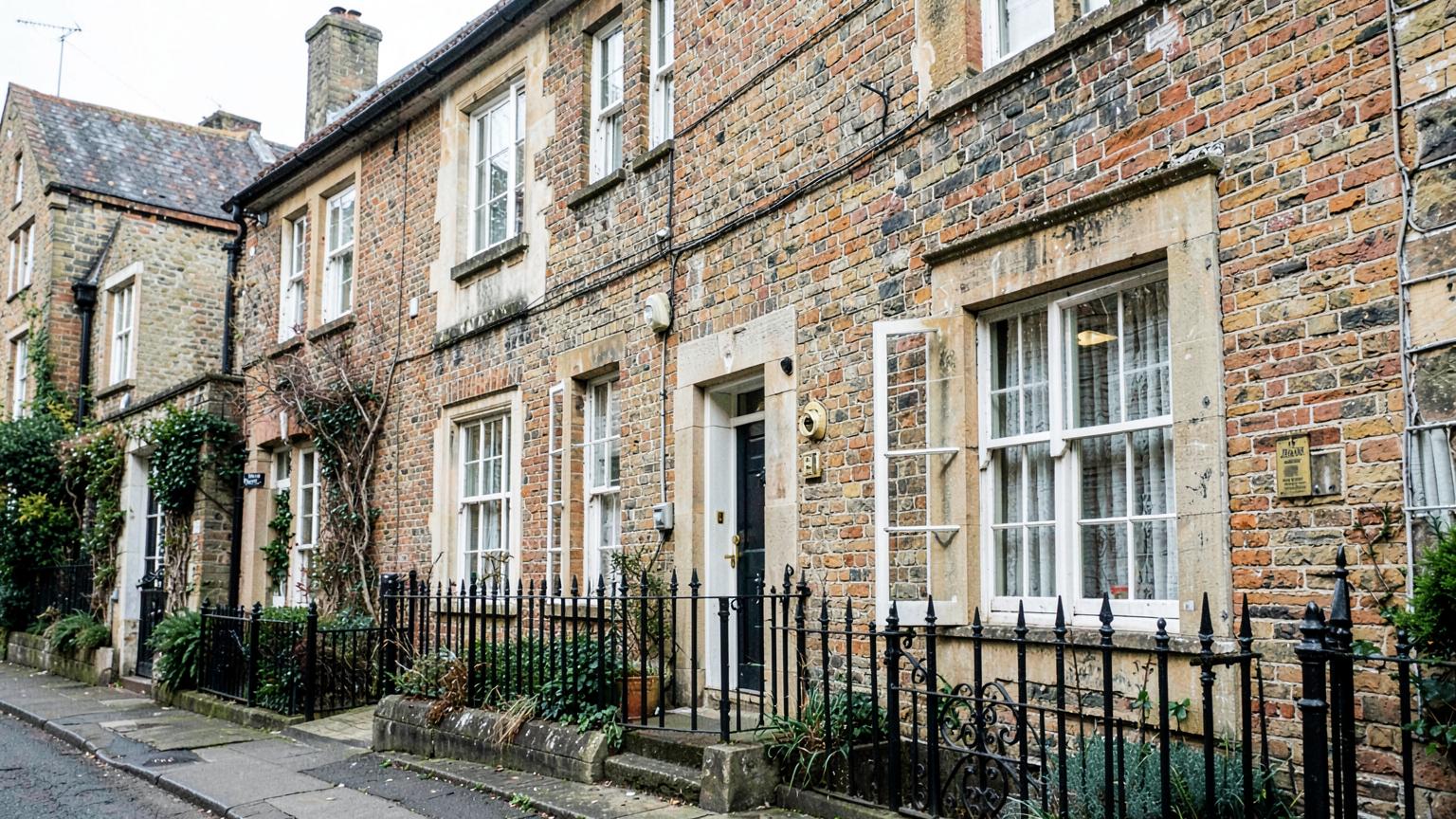
Triple glazing produces a further improvement over standard double glazing, reflected in RdSAP through the improved glazing type entry, but the gain over double glazing is smaller than the single-to-double step, and the cost premium for triple glazing is often significant, particularly on larger window areas. Secondary glazing — an additional independent pane fitted inside the existing window rather than replacement — can also be recorded on an EPC where evidence is available, and is frequently the practical option on listed buildings or in conservation areas where replacing original windows is restricted or refused, since it improves thermal performance without altering the historic external appearance.
Triple glazing: further improvement over double, generally modest, higher cost premium
Secondary glazing: independent inner pane, does not alter external appearance
Secondary glazing is often the only realistic upgrade route for listed or conservation-area windows
Evidence for secondary glazing installations should be kept in the same way as for replacement glazing
Evidence: FENSA and CERTASS certificates
Window replacements in England and Wales must comply with building regulations, and installers registered with a competent persons scheme such as FENSA or CERTASS self-certify compliance and notify the relevant local authority, issuing the homeowner a certificate as proof. This certificate is the standard evidence an assessor relies on to confirm the glazing meets current standards and to record it correctly rather than defaulting to an assumption based on the property's apparent age. Homeowners who used a non-registered installer instead should have obtained a building regulations completion certificate directly from their local authority building control department, which serves the same evidential purpose.
Evidence to keep for glazing works
FENSA or CERTASS certificateIssued at completion by a registered installer
Local authority building control certificateIf a non-registered installer was used
Installation date and product specificationUseful if the certificate itself is mislaid
Photographs showing frame and glazing typeHelpful supplementary evidence
Cost against the likely gain
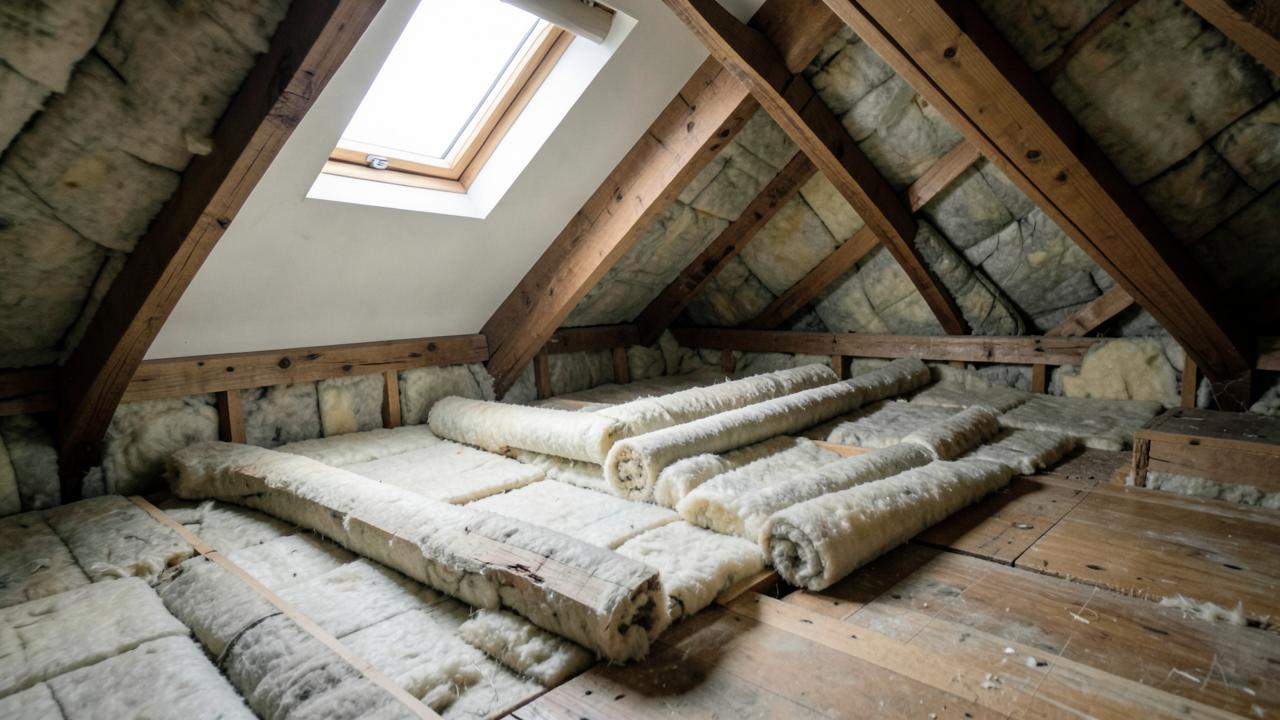
Replacing windows across a typical three-bedroom house runs into several thousand pounds at minimum, rising significantly for larger properties, period features such as sash or leaded windows, or bespoke colour finishes, so it is worth being realistic about the EPC-only return on that spend before committing. Where the primary driver is genuinely the EPC — for instance a landlord narrowly short of EPC C — it is usually worth checking whether cheaper measures such as loft insulation top-ups or heating controls close the gap first, since these often deliver more rating improvement per pound spent than glazing does once a property already has any form of double glazing in place.
Indicative glazing replacement costs
Property
Typical scope
Price from
Small terrace, uPVC double glazing
Full house replacement, standard spec
£4,000-£7,000
Semi-detached, uPVC double glazing
Full house replacement, standard spec
£6,000-£10,000
Period property, timber sash replacement
Bespoke timber double glazing
£10,000-£20,000+
Any size, secondary glazing
Independent inner pane, all windows
£3,000-£8,000
Ranges only, dependent on property size, frame material and finish.
Where glazing fits alongside the rest of the certificate
Glazing is best thought of as one line in a wider fabric picture rather than a lever to pull in isolation, and its value is often greatest not as a standalone project but as part of a coordinated improvement plan alongside insulation and heating upgrades, where the combined package moves the property across a band threshold that no single measure would reach alone. When we discuss improvement options with landlords and homeowners, we look at the full recommendations report generated alongside the EPC, which usually ranks measures by likely impact and typical payback, rather than assuming glazing — often the most visually obvious upgrade — is automatically the most cost-effective one.