
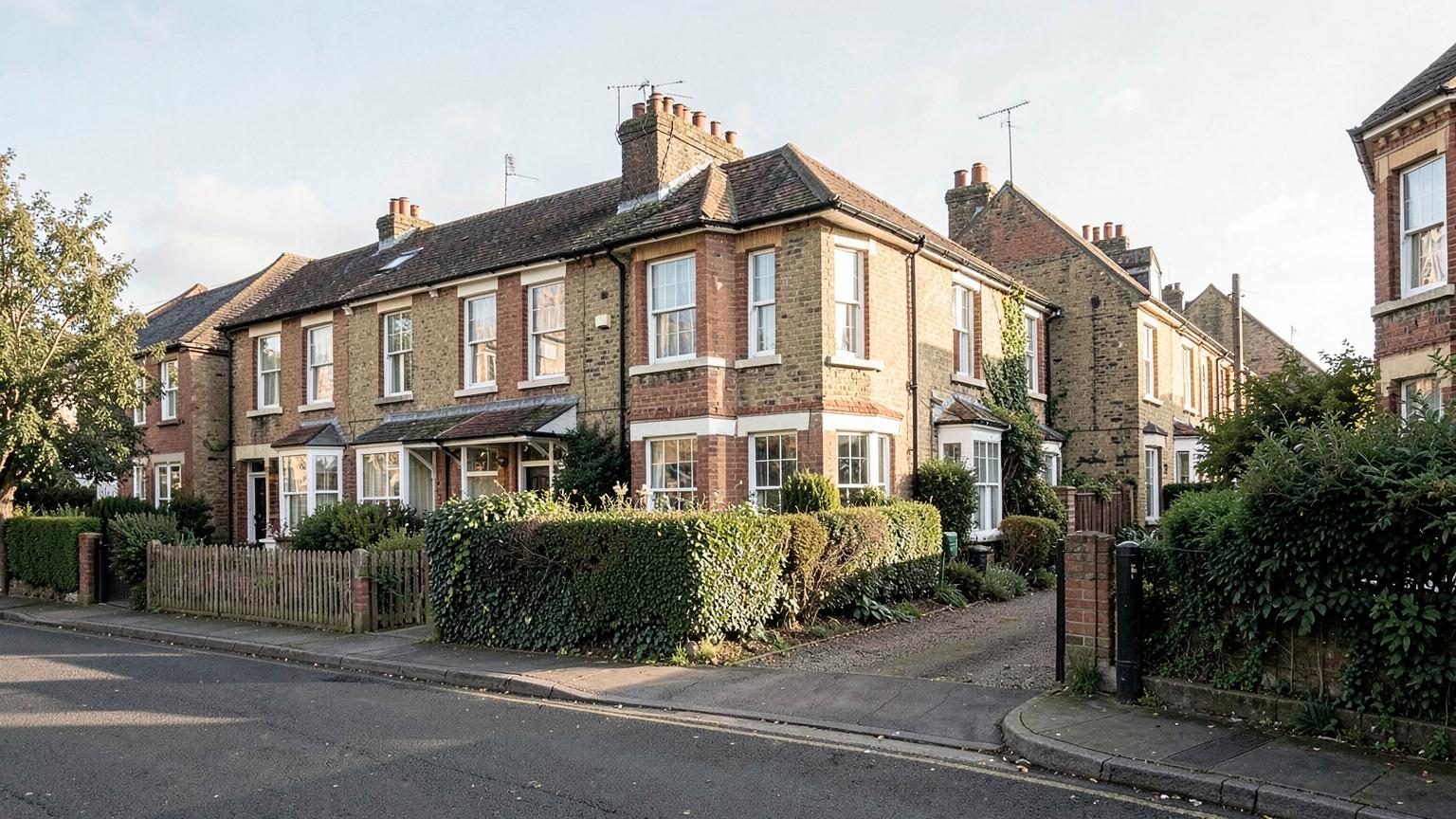




Housing stock in Brent
Wembley Park has seen sustained high-rise construction over the past decade, producing tall residential towers with modern insulation, double glazing and efficient heating that typically assess in band B or C under SAP. Kilburn, Willesden and Harlesden, in contrast, are dominated by Victorian and Edwardian terraces converted into flats and HMOs, generally solid-walled with older gas boilers and decades of incremental alteration. Harlesden and Stonebridge also retain post-war estate blocks of low to mid-rise construction with electric or communal heating. Queensbury and Kenton, in the borough's north, are more suburban with inter-war semi-detached housing that usually has cavity walls suitable for insulation.
Landlord rules and licensing in Brent
Brent's rented properties must meet the MEES minimum of band E, with the proposed rise to band C for new tenancies by 2030 a meaningful consideration for the borough's older Victorian conversion stock. An EPC is required for every HMO licence application, and Brent operates additional licensing for HMOs across the whole borough and has previously run selective licensing in specific areas, though scheme conditions and renewal dates should always be confirmed with the council before an application, since they are reviewed periodically.
What we commonly find here
- Solid-walled Victorian HMOs in Willesden and Harlesden with older gas boilers
- New-build Wembley towers reaching band B or C under SAP
- Electric or communal heating in post-war estate blocks in Stonebridge
- Loft conversions in Kilburn terraces without a corresponding insulation upgrade
- Cavity walls in suburban Kenton semi-detached houses suitable for filling
- Single glazing retained in older HMO conversions across the borough
Working in Brent
Wembley Park's newer developments generally have dedicated parking or nearby multi-storey facilities, while Kilburn and Willesden rely on controlled on-street parking; most of the borough sits within ULEZ. As we are based in Wembley HA9, travel to most of Brent falls into our shortest travel band, and same-day appointments are frequently available here. A domestic EPC visit is typically 20-45 minutes, and professional block managers in Wembley Park usually hold detailed building information that shortens the assessment. Certificates are lodged on the EPC Register the same or next working day.
Wembley Park's tall new-build towers
Wembley Park's sustained high-rise construction over the past decade has produced a cluster of tall residential towers generally built with mechanical ventilation with heat recovery, high-specification double glazing and, in several developments, a communal heat network, all combining to give SAP ratings of band B or above at construction. As Team EPC is based in Wembley, we cover this area particularly frequently, and same-day appointments are often possible here. On resale, a fresh domestic RdSAP assessment is needed, and we cross-check the heat interface unit and ventilation system against the original specification, since these are the features most likely to affect the rating if altered.
Kilburn and Willesden's Victorian conversion belt
Kilburn, Willesden and the streets towards Queen's Park retain a dense stock of Victorian and Edwardian terraces converted into flats and HMOs, generally with solid brick walls and no cavity to insulate, and heating systems that vary considerably between individual gas combination boilers, older back boilers still in use, and in a minority of flats, electric storage heating retained from an earlier refurbishment. We record the actual glazing, insulation and heating specification of each flat individually, since assuming consistency across a converted Victorian house is one of the most common sources of an inaccurate assessment in this part of the borough.
- Solid-wall Victorian and Edwardian conversions with varied individual heating systems
- Each flat assessed on its own specification rather than assumed consistent with the rest of the house
Harlesden and Stonebridge's estate blocks
The post-war estate blocks around Harlesden and Stonebridge are generally low to mid-rise, built originally with either communal heating or individual electric storage heating, and many have since had loft and communal roof insulation upgraded and double glazing installed under phased council improvement programmes. We check which of these upgrades apply to the specific flat being assessed rather than the estate as a whole, since a single block can show meaningfully different ratings between an upgraded flat and one that has not yet received the same improvements.
What an EPC costs in Brent
Indicative EPC prices in Brent
| Property | Typical scope | Price from |
|---|---|---|
| New-build tower flat, Wembley Park | Domestic EPC, RdSAP assessment on resale | from £50 |
| Victorian terrace HMO, Kilburn or Willesden | Domestic EPC for HMO licence application | from £45 |
| Post-war estate block flat, Harlesden or Stonebridge | Domestic EPC including heating and insulation upgrade review | from £50 |
| Inter-war semi-detached conversion flat, Kenton | Domestic EPC, RdSAP assessment | from £50 |
| Small HMO conversion, Willesden Green | Domestic EPC for HMO licence application | from £45 |
When you need an EPC in Brent
A valid Energy Performance Certificate is required before a home in Brent is marketed for sale or let, and it lasts ten years. Under the Minimum Energy Efficiency Standard a rented home must reach at least band E, and the government has proposed raising that to band C for rented homes by 2030, so a current certificate is also the starting point for planning upgrades. New builds and material conversions need SAP calculations at design stage and an on-completion EPC, and commercial premises need a non-domestic certificate produced on the same basis.