
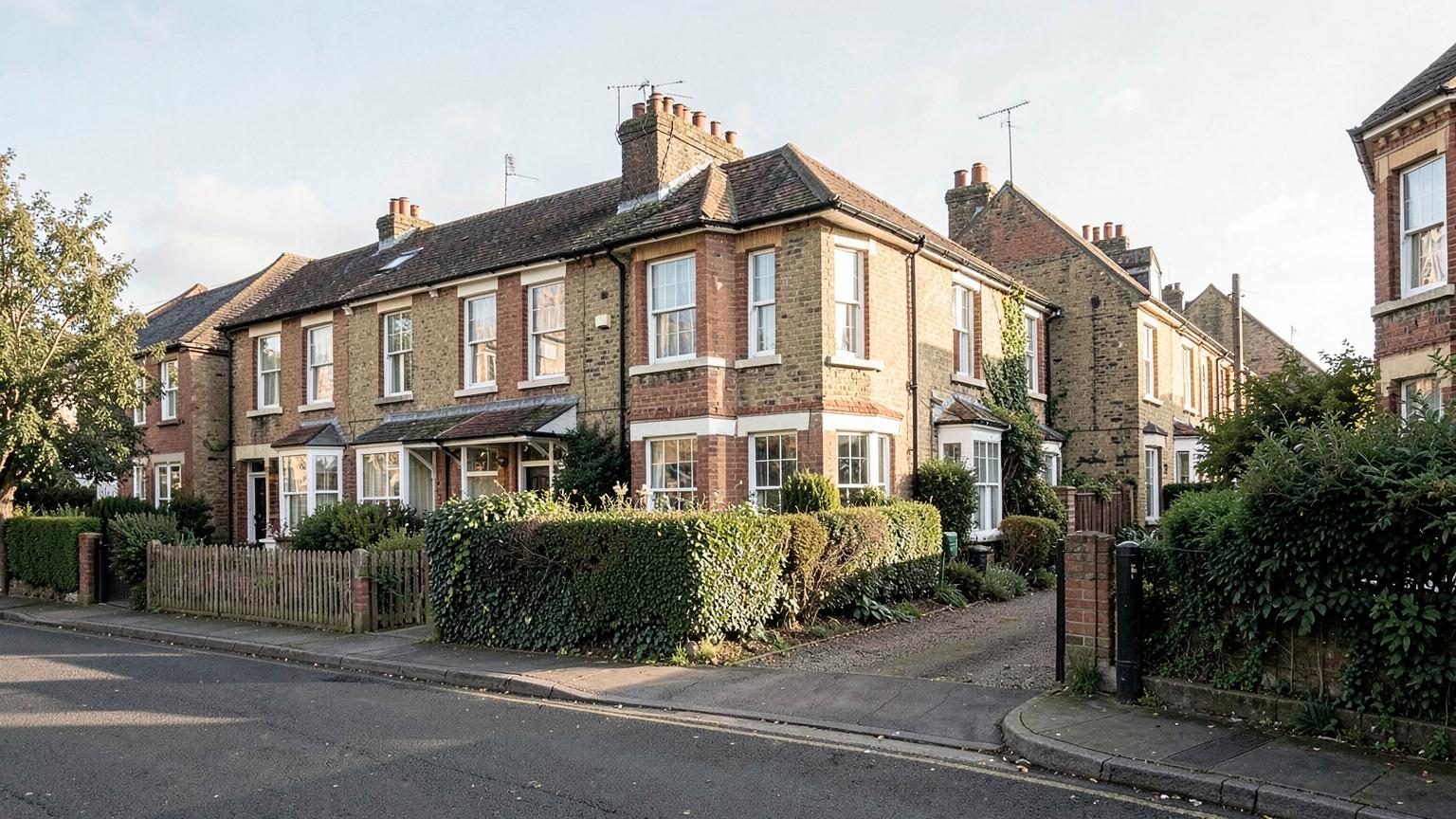




Housing stock in City of London
The City is overwhelmingly commercial, with a small residential population concentrated in the Barbican and Golden Lane estates, both built from exposed concrete with double glazing added in refurbishment phases over the decades, generally assessing in band C or D. A handful of historic buildings converted to residential use are listed or sit within conservation areas, which constrains window replacement and external insulation. Where non-domestic premises require an EPC — for sale or letting of commercial space — SBEM-based assessment applies rather than the RdSAP methodology used for homes.
Landlord rules and licensing in City of London
Residential letting in the City is limited, but where it applies, the MEES minimum of band E still governs whether a home can be let, with the proposed rise to band C for new tenancies by 2030 relevant to older Barbican-era flats. Commercial premises need their own EPC under SBEM methodology when sold or let, separate from any domestic assessment. Listed building consent may be needed for energy efficiency works to historic premises, so check requirements with the City of London Corporation before planning upgrades.
What we commonly find here
- Barbican and Golden Lane flats with exposed concrete construction and retrofitted double glazing
- Listed commercial-to-residential conversions with limited scope for external insulation
- Communal heating systems in estate blocks assessed with shared meters
- Commercial premises requiring a separate SBEM-based EPC from any residential assessment
- Older single-glazed windows in a small number of historic residential conversions
- Basement and lower-ground flats with limited natural light affecting the overall assessment
Working in City of London
The City sits within the Congestion Charge and ULEZ zones, and on-street parking is extremely limited, so we typically use nearby car parks or public transport and allow extra time for security and access procedures. Travel is priced from our Wembley base by actual driving distance plus the central London access charge. A domestic EPC visit is typically 20-45 minutes, and building managers can usually arrange access outside normal working hours where needed. Certificates are lodged on the EPC Register the same or next working day.
Livery halls and historic buildings in daily commercial use
The Square Mile contains a concentration of historic livery halls, guild buildings and listed commercial premises unmatched anywhere else in London, many still in continuous daily use for offices, events and hospitality alongside their heritage function. A commercial EPC on one of these buildings has to work within listed building limits on what fabric changes are realistic, so the assessment records existing wall, glazing and heating provision accurately and sets out proportionate, achievable recommendations rather than options that would require alterations a listed building consent would be unlikely to grant.
- Existing fabric and heating recorded accurately within listed building constraints
- Recommendations kept proportionate to what listed status will realistically allow
The City's tower cluster and mixed office occupation
The cluster of tall commercial towers around Bishopsgate, Leadenhall Street and the eastern City — buildings let floor by floor to multiple tenants — brings a distinct set of considerations for commercial EPCs: a certificate can be needed at whole-building level for the landlord's interest and separately for an individual tenant's demise depending on what is being sold or let, and the two are not interchangeable. Multi-tenanted floors also see frequent fit-out changes as tenants come and go, so a floor's lighting, heating and ventilation specification can differ meaningfully from the building-wide baseline, and we scope each assessment to the specific interest being transacted.
Barbican and the City's small residential population
The Barbican Estate and a handful of other residential pockets represent a genuinely unusual position within the City: a substantial concentration of tall, architecturally significant residential towers and terrace blocks sitting inside a local authority area otherwise dominated by commercial premises. Barbican's raised podium walkways, communal plant and Brutalist concrete construction bring their own domestic EPC considerations, since concrete construction has different thermal characteristics to brick, and the estate's communal heating arrangements need recording from evidence the managing agent can supply rather than assumed from a similar building elsewhere.
Access and security across the Square Mile
Working across the City means factoring in security arrangements that are more involved than in most residential boroughs: many commercial buildings require visitor registration, ID checks or an escort from reception, and access to plant rooms in a multi-tenanted tower can require coordination between the landlord's facilities team and an individual tenant. We confirm these arrangements at booking so the visit itself is not held up on site, and we allow additional time where a building spans several tenanted floors that each need a separate point of contact.
What an EPC costs in City of London
Indicative EPC prices in City of London
| Property | Typical scope | Price from |
|---|---|---|
| Livery hall or historic guild building | Commercial EPC with heritage-proportionate recommendations | from £180 |
| Single floor, multi-tenanted office tower | Commercial EPC, tenant demise | from £150 |
| Whole-building landlord interest, City office tower | Commercial EPC, common parts and core | from £280 |
| Barbican or other City residential flat | Domestic EPC, communal heating and concrete construction review | from £55 |
| Function venue or event space within a historic building | Commercial EPC | from £180 |
When you need an EPC in City of London
A valid Energy Performance Certificate is required before a home in City of London is marketed for sale or let, and it lasts ten years. Under the Minimum Energy Efficiency Standard a rented home must reach at least band E, and the government has proposed raising that to band C for rented homes by 2030, so a current certificate is also the starting point for planning upgrades. New builds and material conversions need SAP calculations at design stage and an on-completion EPC, and commercial premises need a non-domestic certificate produced on the same basis.