
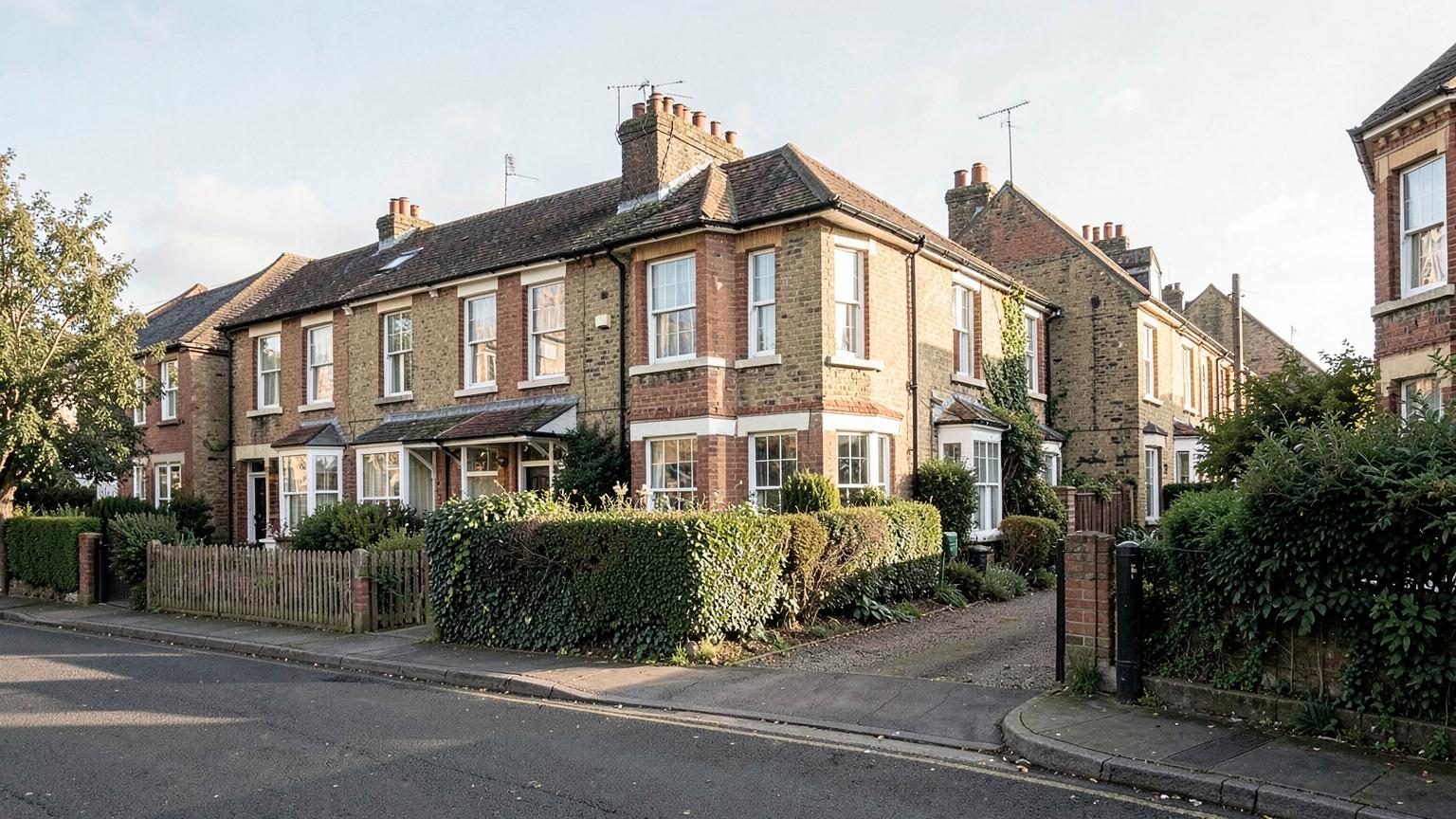




Housing stock in Richmond upon Thames
Richmond, Twickenham and Teddington are dominated by large Victorian and Edwardian detached and semi-detached houses, many solid-walled and converted into high-value flats or small HMOs with limited scope for external insulation. Barnes and East Sheen have similar large period stock. Riverside developments in Richmond and towards Kingston add modern mid-rise blocks typically achieving band B or C. New-build development is limited by the borough's planning constraints, so much of the stock remains reliant on secondary glazing and loft insulation as the main improvement options.
Landlord rules and licensing in Richmond upon Thames
Rented properties in Richmond must meet the MEES minimum of band E, and the proposed rise to band C for new tenancies by 2030 presents a genuine challenge for the borough's solid-walled, often listed period houses. An EPC is required for HMO licence applications, and Richmond applies mandatory HMO licensing to larger qualifying properties and has operated additional licensing in parts of the borough in the past. Confirm the current position with Richmond Council before submitting an application; listed building consent and conservation area considerations frequently limit which energy efficiency works are possible.
What we commonly find here
- Solid-walled large period houses with limited scope for external insulation
- Listed and conservation-area buildings where window replacement is rarely permitted
- Loft insulation as the main practical improvement in large Victorian houses
- Riverside blocks achieving band B or C after handover
- Original timber sash windows retained under heritage restrictions
- Older gas boilers in period house conversions not upgraded for years
Working in Richmond upon Thames
Richmond sits partly within the ULEZ boundary, so we confirm the postcode before quoting. On-street parking is generally easier than in inner London, though Richmond and Twickenham town centres can be busy. Travel is priced from our Wembley base by actual driving distance. A domestic EPC visit is typically 20-45 minutes, and heritage considerations mean we often work closely with managing agents familiar with what upgrades are realistic. Certificates are lodged on the EPC Register the same or next working day.
Richmond and Twickenham's conservation-area constraints
The bulk of Richmond, Twickenham and Barnes sits within conservation areas or contains individually listed buildings, and this shapes the recommendations section of nearly every EPC we produce in the borough. Large period houses converted into flats decades ago typically retain original sash windows and solid walls that owners are understandably reluctant to alter, so our reports note where measures such as external wall insulation or standard double glazing are unlikely to be practical or permitted, and instead point to improvements such as loft insulation, draught-proofing and heating controls that do not affect the building's appearance. An EPC is still a legal requirement for these properties on sale or letting, regardless of listed status.
- Sash windows and solid walls limiting standard insulation measures
- Recommendations focused on improvements that do not affect external appearance
Teddington and the riverside's mixed old and new stock
Teddington and the stretch of riverside towards Kingston reach combine large period houses converted into flats with a smaller number of newer riverside apartment developments, giving genuinely different assessment profiles within a short distance of each other. The newer riverside flats are assessed under SAP as new builds and generally achieve strong ratings, while the older conversions need a careful RdSAP survey recording each flat's actual windows, wall construction and heating source. Some riverside developments are reached via shared private roads or gated access, so we confirm entry arrangements, including any code or concierge call ahead, before the visit.
Barnes and East Sheen's large period conversions
Barnes and East Sheen retain a village-like character with large detached and semi-detached Victorian and Edwardian houses, a good number of which have been converted into two, three or occasionally four flats. Because these are large properties, conversion has often meant several flats sharing a single loft space or a single original boiler flue, and our assessor records each unit's actual arrangement individually rather than assuming uniformity across the building. Loft insulation and upgraded heating controls tend to be the most realistic recommendations for this stock, given the practical and sometimes planning-related limits on more visible external measures.
What an EPC costs in Richmond upon Thames
Indicative EPC prices in Richmond upon Thames
| Property | Typical scope | Price from |
|---|---|---|
| Listed or conservation-area house converted to flats, Richmond or Twickenham | Domestic EPC with heritage-appropriate recommendations | from £55 |
| Riverside apartment, Teddington or Twickenham riverside | SAP calculation plus as-built EPC | from £75 |
| Large period house converted to 2-4 flats, Barnes or East Sheen | Domestic EPC per flat | from £55 |
| Small HMO conversion, Richmond or Twickenham | EPC for HMO licence application | from £45 |
When you need an EPC in Richmond upon Thames
A valid Energy Performance Certificate is required before a home in Richmond upon Thames is marketed for sale or let, and it lasts ten years. Under the Minimum Energy Efficiency Standard a rented home must reach at least band E, and the government has proposed raising that to band C for rented homes by 2030, so a current certificate is also the starting point for planning upgrades. New builds and material conversions need SAP calculations at design stage and an on-completion EPC, and commercial premises need a non-domestic certificate produced on the same basis.