
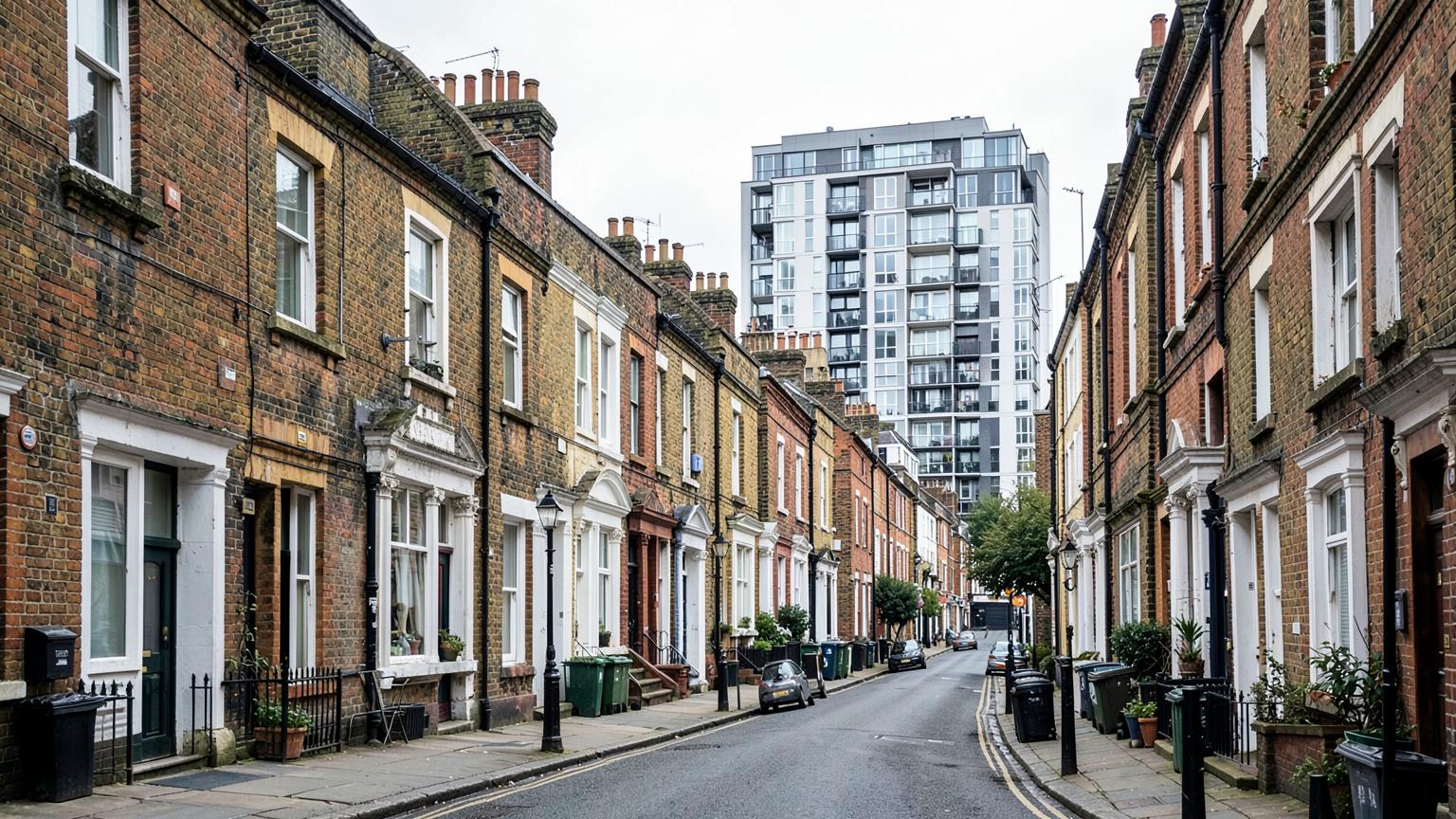




Housing stock in Kensington & Chelsea
The borough is dominated by Victorian and Edwardian mansion blocks, garden squares and terraced houses converted into high-value flats, almost always solid-walled with single glazing and limited scope for structural alteration. Chelsea, Kensington and Knightsbridge have substantial listed stock where external insulation and window replacement are rarely permitted. Notting Hill and North Kensington contain dense Victorian terraces, many converted into flats and HMOs with older gas boilers. New development is limited and generally high-end, with modern building fabric and energy engineering achieving band B or C.
Landlord rules and licensing in Kensington & Chelsea
Rented properties in Kensington and Chelsea must meet the MEES minimum of band E, and the proposed rise to band C for new tenancies by 2030 presents a genuine challenge given how much of the borough's stock is solid-walled and listed. An EPC is required for HMO licence applications, and Kensington and Chelsea has operated additional licensing for HMOs in parts of the borough. Given the high value and mixed tenure of much of the stock, confirm the current scheme boundary and conditions with the council before submitting an application, and expect listed building consent to be needed for most energy efficiency works.
What we commonly find here
- Solid-walled mansion blocks with single glazing and no realistic cavity to fill
- Listed terraces where external insulation and window replacement are rarely permitted
- High-value flat conversions with original timber sash windows retained for character
- Older gas boilers in period conversions not upgraded for years
- Basement and lower-ground flats with limited natural light affecting the assessment
- Mixed commercial-residential buildings on high streets with older heating in flats above
Working in Kensington & Chelsea
Kensington and Chelsea sits within the Congestion Charge and ULEZ zones, and on-street parking is extremely limited, so we typically use nearby car parks or public transport and allow extra time for access. Travel is priced from our Wembley base by actual driving distance plus the central London access charge. A domestic EPC visit is typically 20-45 minutes, and porters or managing agents can usually arrange access with advance notice. Certificates are lodged on the EPC Register the same or next working day.
Notting Hill and North Kensington's dense terrace conversions
North Kensington and the streets around Golborne Road and Ladbroke Grove have a dense stock of Victorian terraces converted into flats and HMOs, a markedly different profile from the mansion blocks and garden squares further south and east. These conversions have solid brick walls with no cavity to insulate, and many retain original single-glazed sash windows where secondary glazing or heritage-style double glazing has been fitted more recently. Each flat in these buildings needs its own EPC, and we routinely find that older storage heaters or ageing individual boilers are the main factor holding ratings down, more so than the fabric of the building itself.
- Solid-wall terraces with no cavity available for insulation
- Individual heating systems, rather than the building fabric, often driving the rating
Basement and lower-ground flats
A significant number of conversions across the borough, particularly in Chelsea, Kensington and Notting Hill, include a basement or lower-ground flat with limited natural light and its own separate heating system. These flats are assessed as independent dwellings in the normal way, and floor insulation above an unheated void, or the lack of it, is a common finding since older basement conversions were rarely insulated at floor level when first created. Where a basement has been extended more recently as part of larger works, we check whether the newer insulation specification has actually been applied consistently rather than assuming full compliance because the work is recent.
High streets and mixed commercial-residential buildings
Kensington High Street, the King's Road and the parades around Notting Hill Gate combine ground-floor retail, restaurants and offices with residential flats above, and each part of the building needs the right type of certificate. Flats above shops still need a standard domestic EPC, while the commercial unit itself needs a separate non-domestic EPC assessed by SBEM if it is being sold, let, or its lease renewed. Restaurant premises in particular often have significant kitchen extraction and cooling loads that need recording accurately, and we assess the commercial unit independently from the flats above rather than treating the whole building as one calculation.
What an EPC costs in Kensington & Chelsea
Indicative EPC prices in Kensington & Chelsea
| Property | Typical scope | Price from |
|---|---|---|
| Victorian terrace conversion, North Kensington or Notting Hill | Domestic EPC, RdSAP survey and certificate | from £55 |
| Basement or lower-ground flat as part of wider conversion | Domestic EPC with floor insulation review | from £50 |
| Listed mansion block flat, Chelsea or Kensington | Domestic EPC with heritage-appropriate recommendations | from £65 |
| Mixed commercial-residential building, high street parade | Domestic EPC for flats plus separate commercial EPC for the unit | from £150 |
| HMO conversion, Notting Hill or North Kensington | EPC for HMO licence application | from £45 |
When you need an EPC in Kensington & Chelsea
A valid Energy Performance Certificate is required before a home in Kensington & Chelsea is marketed for sale or let, and it lasts ten years. Under the Minimum Energy Efficiency Standard a rented home must reach at least band E, and the government has proposed raising that to band C for rented homes by 2030, so a current certificate is also the starting point for planning upgrades. New builds and material conversions need SAP calculations at design stage and an on-completion EPC, and commercial premises need a non-domestic certificate produced on the same basis.