
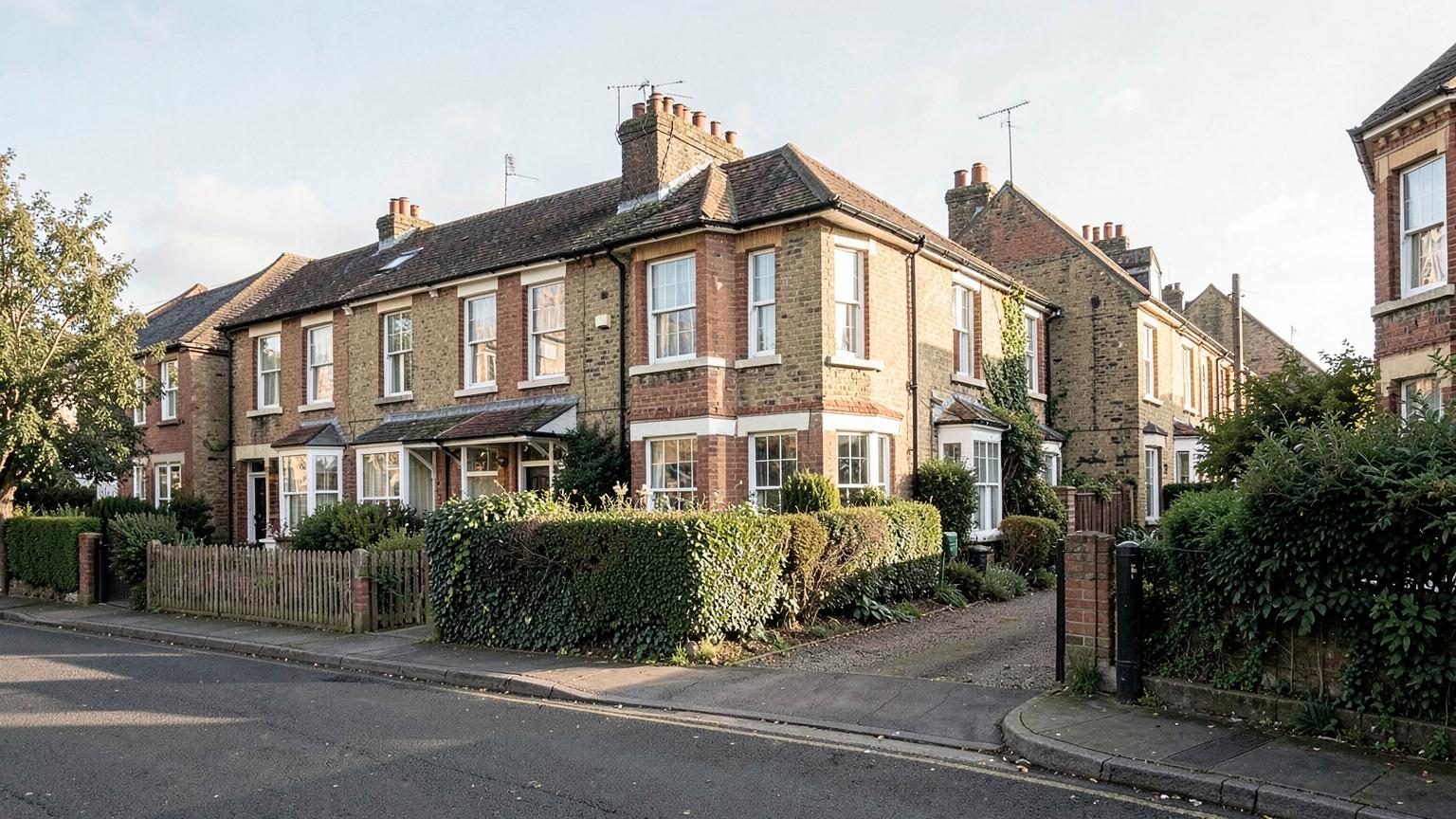




Housing stock in Ealing
Southall and Acton contain a substantial stock of Victorian and Edwardian terraced houses converted into flats and HMOs, generally solid-walled with older gas boilers and single glazing that keep ratings in band D or E. Ealing Broadway and West Ealing have seen a wave of new residential development connected to the Elizabeth line, adding mid-rise and some high-rise blocks with modern insulation and glazing that typically assess in band B or C. Greenford and Northolt are more suburban, with inter-war semi-detached housing that usually has cavity walls suitable for insulation, and low-rise purpose-built blocks. Acton also retains a number of former industrial sites converted to residential use, often with large open floorplates that are harder to insulate to a high standard.
Landlord rules and licensing in Ealing
Ealing's rented homes must meet the MEES minimum of band E, and the proposed rise to band C for new tenancies by 2030 will be a real consideration for the borough's older converted terraces in Southall and Acton. An EPC is required for HMO licence applications, and Ealing operates additional licensing for HMOs across parts of the borough, reflecting the scale of shared housing there, though the exact boundary and renewal date should be confirmed with the council before an application, since these designations are periodically reviewed.
What we commonly find here
- Solid-walled Victorian terraces in Southall with older gas boilers and single glazing
- New-build blocks near Ealing Broadway reaching band B or C under SAP
- Cavity walls in Greenford semi-detached houses suitable for standard insulation
- Former industrial conversions in Acton with large, difficult-to-insulate floorplates
- Kitchens and bathrooms added during HMO conversion without upgraded heating controls
- Loft conversions in older terraces without a corresponding insulation upgrade
Working in Ealing
Southall and Acton have moderate on-street parking availability outside peak hours, while Ealing Broadway is more tightly controlled; the whole borough now sits within ULEZ. Travel is priced from our Wembley base by actual driving distance, and Ealing sits within a shorter travel band given its proximity to Wembley. A domestic EPC visit is typically 20-45 minutes, and local specialist agents familiar with licensing requirements can usually arrange access quickly. Certificates are lodged on the EPC Register the same or next working day.
Southall's converted terraces and shared kitchens
Southall's Victorian and Edwardian terraces have a long history of conversion into flats and larger shared houses, and each HMO or converted flat needs its own domestic EPC reflecting the current layout, heating system and glazing rather than the property's original single-family specification. Where kitchens or bathrooms have been added on upper floors during successive conversions, the additional pipework and, in some cases, secondary heating installed for these rooms needs recording accurately, since it can differ from the main heating serving the rest of the flat.
- Individually accurate domestic EPCs required for each flat within a converted terrace
- Secondary heating for added kitchens or bathrooms recorded separately from the main system
Acton's industrial-to-residential conversions
Acton retains a number of former industrial and light manufacturing sites converted to residential use, sharing some of the same characteristics as warehouse conversions found further east: large open floorplates, exposed structural steel and, frequently, higher ceilings than a conventional house, all of which affect the floor area and heat loss calculations in RdSAP. We measure actual floor area and ceiling height in these conversions rather than assuming a standard residential specification, and check whether any mezzanine level added during conversion has its own accurately recorded heating and insulation.
Ealing Broadway and West Ealing's Crossrail-era blocks
The new residential development connected to the Elizabeth line around Ealing Broadway and West Ealing has generally been built to current Building Regulations standards with good levels of insulation, double or triple glazing and efficient heating systems, giving these buildings a materially different rating profile from the borough's older conversion stock. These new flats are assessed under SAP at construction and typically achieve band B or above, and a fresh domestic EPC produced under RdSAP is needed on resale or re-letting, which we assess against the flat's actual as-built specification rather than the original design figures alone.
What an EPC costs in Ealing
Indicative EPC prices in Ealing
| Property | Typical scope | Price from |
|---|---|---|
| Victorian terrace HMO, Southall | Domestic EPC for HMO licence application | from £45 |
| Industrial-to-residential conversion flat, Acton | Domestic EPC with floor area and ceiling height survey | from £55 |
| New-build flat, Ealing Broadway or West Ealing | Domestic EPC, RdSAP assessment on resale | from £50 |
| Inter-war semi-detached conversion flat, Greenford | Domestic EPC, RdSAP assessment | from £50 |
| Small HMO conversion, Acton | Domestic EPC for HMO licence application | from £45 |
When you need an EPC in Ealing
A valid Energy Performance Certificate is required before a home in Ealing is marketed for sale or let, and it lasts ten years. Under the Minimum Energy Efficiency Standard a rented home must reach at least band E, and the government has proposed raising that to band C for rented homes by 2030, so a current certificate is also the starting point for planning upgrades. New builds and material conversions need SAP calculations at design stage and an on-completion EPC, and commercial premises need a non-domestic certificate produced on the same basis.