
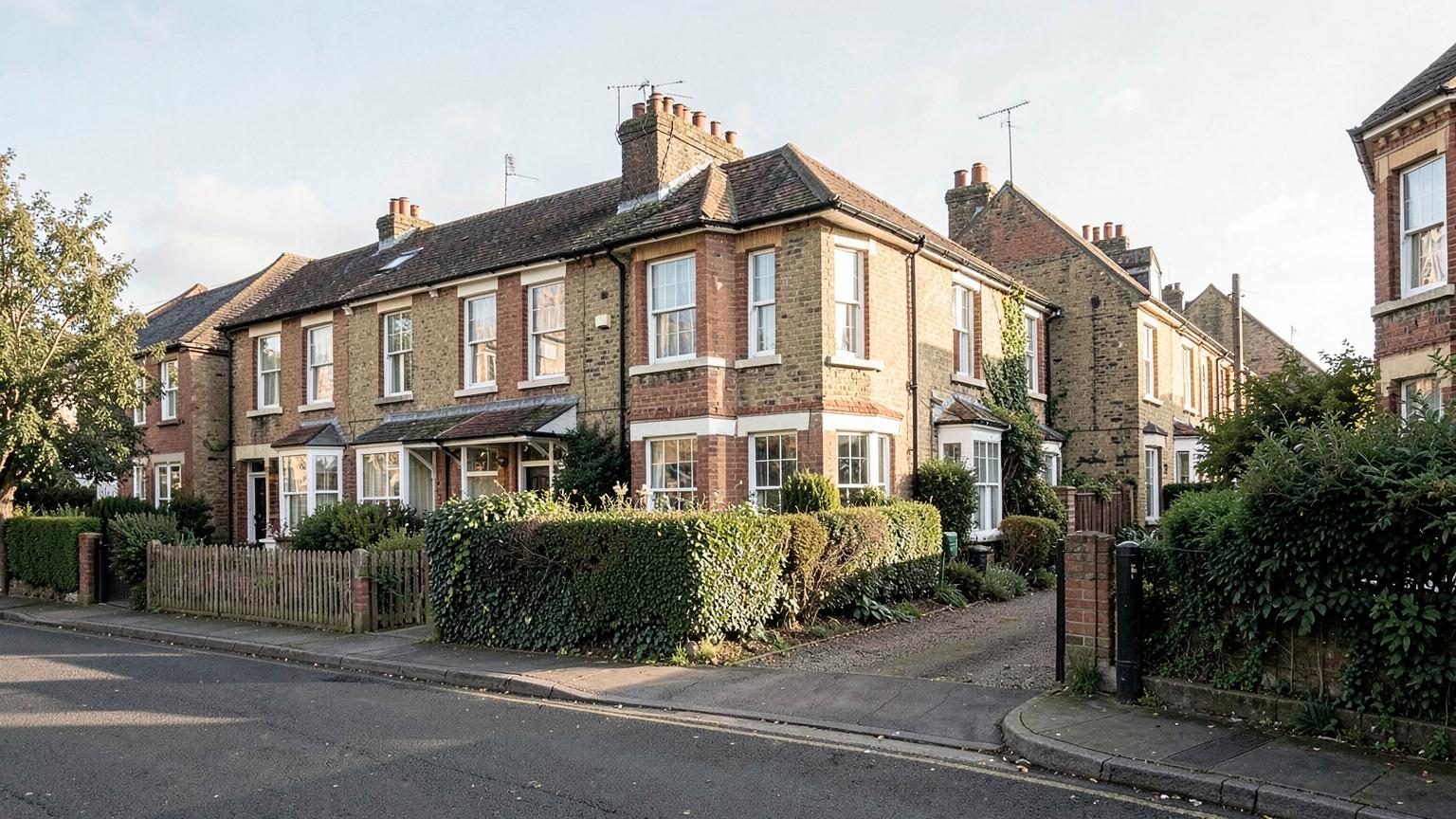




Housing stock in Redbridge
Ilford has a substantial stock of large Edwardian and inter-war houses converted into flats and HMOs, often with older gas boilers and single glazing that keep ratings in band D or E, reflecting strong demand for shared housing near the town centre and station. Woodford, Wanstead and Barkingside are more suburban, dominated by semi-detached and detached houses with cavity walls generally suited to standard insulation. Newer mid-rise residential blocks have appeared around Ilford town centre and near Elizabeth line stations over the last decade, typically achieving band B or C. A smaller number of post-war purpose-built blocks are found across the borough's central wards.
Landlord rules and licensing in Redbridge
Redbridge's rented properties must meet the MEES minimum of band E, with the proposed move to band C for new tenancies by 2030 a real consideration for the borough's older Ilford conversion stock. An EPC is required for HMO licence applications, and Redbridge operates additional licensing for HMOs across the borough, extending mandatory licensing rules to smaller shared houses given the volume of converted stock around Ilford, though the current boundary and conditions should be confirmed with the council before an application, as these are periodically reviewed.
What we commonly find here
- Solid-walled Edwardian house conversions in Ilford with older gas boilers
- Cavity walls in Woodford and Wanstead houses suitable for standard fill insulation
- Loft conversions adding bedrooms without a corresponding insulation upgrade
- Single glazing retained in older HMO conversions near Ilford station
- New-build town-centre blocks near the Elizabeth line achieving band B or C
- Rear extensions altering floor area without matching insulation upgrades
Working in Redbridge
Redbridge sits mostly outside the ULEZ boundary aside from its southern edge, and on-street parking is generally easier here than in inner London, which helps keep visit logistics simple. Travel is priced from our Wembley base by actual driving distance. A domestic EPC visit is typically 20-45 minutes, and landlords in Ilford who self-manage can usually confirm access to all letting rooms directly at booking. Certificates are lodged on the EPC Register the same or next working day, with booking-to-visit turnaround often quicker here thanks to easier access across the borough.
Ilford town centre's conversions and new-build blocks
Ilford town centre mixes Victorian and Edwardian terraces converted into flats and HMOs with a growing number of new-build residential blocks constructed close to the Elizabeth line station, giving us a caseload that spans both RdSAP and new-build SAP within a few streets. Converted terraces here often retain solid walls and an individual boiler per flat, and where a rear or side-return extension has been added we record its construction type and glazing separately since it can differ from the original house. Newer blocks near the station are assessed under SAP at design stage, and we can carry out a post-completion check to confirm the as-built specification, including glazing and ventilation, matches what was used to calculate the predicted rating.
- Solid walls and individual boilers recorded per flat in converted terraces
- Post-completion checks confirming as-built specification against SAP design data
Gants Hill, Barkingside and the suburban semi belt
Gants Hill, Barkingside and the streets towards Fairlop retain large stretches of 1930s semi-detached and detached housing, much of it since split into two or three flats or let as a small HMO to meet demand near the Central line. These houses typically have cavity walls that may or may not have been insulated, and this is one of the most common straightforward improvements we flag on the recommendations report, alongside loft insulation depth where a loft conversion has reduced the amount of roof space available for insulating. Detached properties let as HMOs are assessed per bedroom or per self-contained unit depending on how the letting is structured.
- Cavity wall insulation status flagged as a common improvement opportunity
- Loft insulation depth checked where a loft conversion has reduced available space
South Woodford and Wanstead's period conversions
South Woodford and Wanstead sit closer to Epping Forest and retain a more villagey character, with larger Victorian and Edwardian houses converted into upper and lower flats along roads such as George Lane and the High Street. These conversions typically have solid walls and a mix of original and replacement glazing, and where a communal boiler serves more than one flat we record its efficiency once rather than assuming an individual system, which keeps the rating accurate for each unit sharing that supply.
What an EPC costs in Redbridge
Indicative EPC prices in Redbridge
| Property | Typical scope | Price from |
|---|---|---|
| Victorian terrace conversion flat, Ilford | Domestic EPC, sale or let | from £45 |
| New-build flat near Elizabeth line station, Ilford | SAP calculation and EPC, new-build residential | from £75 |
| 1930s semi-detached HMO, Gants Hill or Barkingside | Domestic EPC per let unit, licence-ready | from £45 |
| Upper/lower flat conversion, South Woodford or Wanstead | Domestic EPC, communal heating review where applicable | from £45 |
When you need an EPC in Redbridge
A valid Energy Performance Certificate is required before a home in Redbridge is marketed for sale or let, and it lasts ten years. Under the Minimum Energy Efficiency Standard a rented home must reach at least band E, and the government has proposed raising that to band C for rented homes by 2030, so a current certificate is also the starting point for planning upgrades. New builds and material conversions need SAP calculations at design stage and an on-completion EPC, and commercial premises need a non-domestic certificate produced on the same basis.