




Housing stock in Bromley
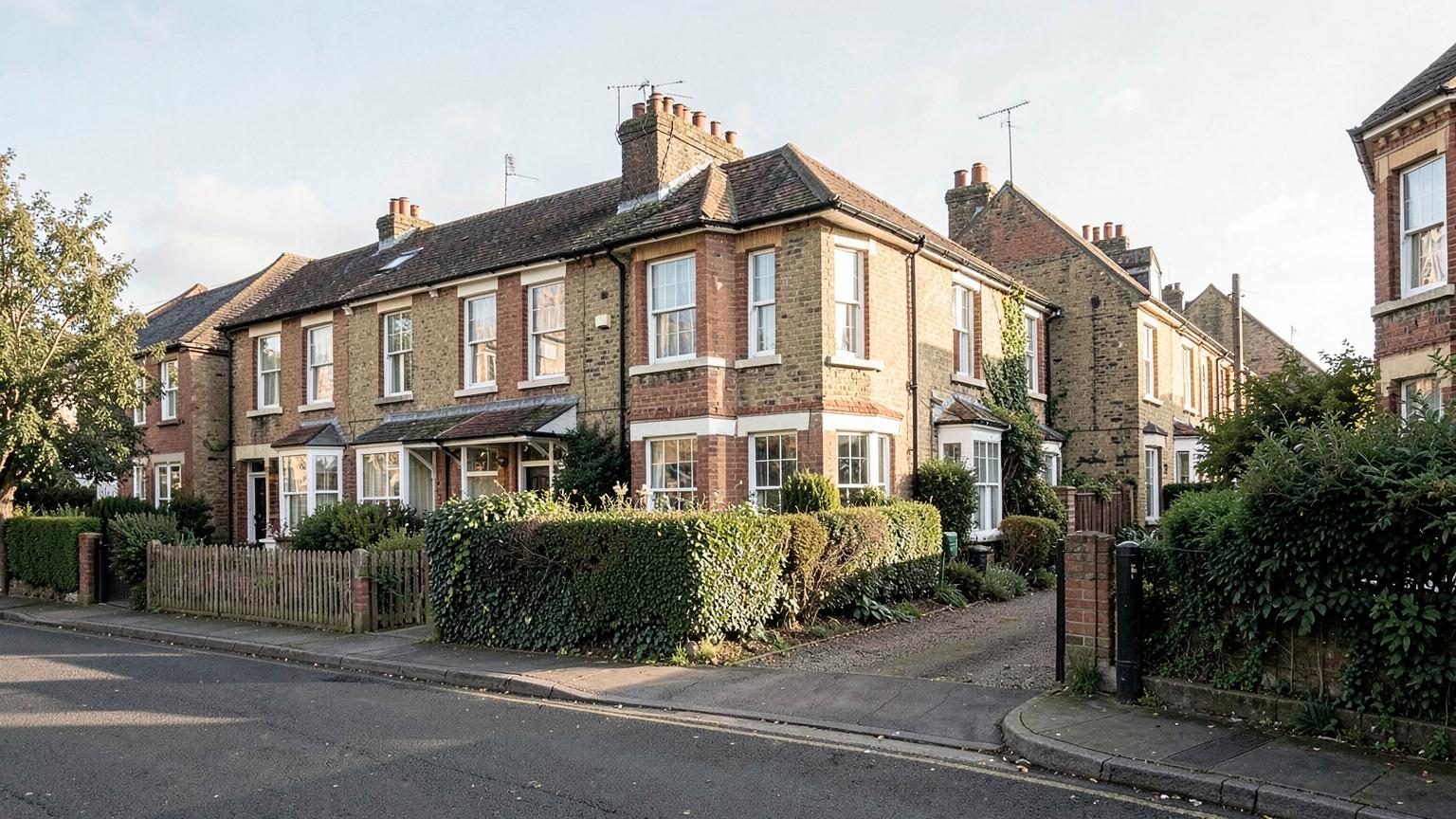
The north of the borough around Beckenham, Shortlands and Bellingham has dense Victorian and Edwardian terraces converted into flats and HMOs, generally solid-walled with older gas boilers, often above shopfronts along main roads. Bromley town centre and its surroundings mix 1960s and 1970s purpose-built blocks with newer high-rise and mid-rise development achieving band B or C. Orpington, Chislehurst and the southern wards are more suburban, with large detached and semi-detached houses, most with cavity walls suited to standard insulation.
Landlord rules and licensing in Bromley
Rented homes in Bromley must meet the MEES minimum of band E, and the proposed rise to band C for new tenancies by 2030 will be more of a challenge for the borough's solid-walled northern terraces than for its suburban cavity-wall stock further south. An EPC is required for HMO licence applications, and Bromley applies mandatory HMO licensing to larger qualifying properties and has operated additional licensing in parts of the borough in the past. Scheme boundaries and renewal dates change, so confirm the current position with Bromley Council before submitting an application.
What we commonly find here
- Solid-walled Victorian terraces in Beckenham with older gas boilers
- Cavity walls in Orpington and Chislehurst houses suitable for standard insulation
- Purpose-built 1960s and 70s blocks in Bromley town centre with ageing insulation
- New-build blocks achieving band B or C after handover
- Loft conversions in older houses without a corresponding insulation upgrade
- Mixed commercial-residential buildings on main roads with older heating in the flats above
Working in Bromley
Bromley sits outside the ULEZ boundary and parking is generally easier than in inner London, though Bromley town centre can be busy. Travel is priced from our Wembley base by actual driving distance, and Bromley falls into a longer travel band given its size and distance from Wembley. A domestic EPC visit is typically 20-45 minutes, and the borough's size means we often route several visits for the same landlord in a single day. Certificates are lodged on the EPC Register the same or next working day.
Bromley town centre's mixed high street stock
Bromley town centre combines a shopping high street with flats above the retail units and a cluster of newer mid-rise residential development near the station, giving assessors a genuine mix of building types within a compact area. A flat above a shop on the High Street or Widmore Road is always assessed as its own domestic EPC regardless of the retail unit's construction, and we routinely find solid walls, an individual boiler, and glazing that has been replaced at a different time to the shopfront below, all of which we record against that flat specifically.
- Domestic EPCs for flats above shops assessed independently of the retail unit
- Solid walls and individually replaced glazing recorded per flat
Orpington, Petts Wood and the borough's suburban belt
Orpington and Petts Wood are dominated by 1930s semi-detached and detached houses, many still in single-family occupation, though conversion into flats and small HMOs has grown near the mainline stations serving central London and the Kent coast. As across much of outer south-east London's inter-war stock, cavity wall insulation and loft insulation depth are the two most common improvement opportunities we flag, and where a loft has been converted into a third storey we assess its own roof insulation and glazing rather than assuming it matches the rest of the house.
- Cavity wall and loft insulation flagged as common improvement opportunities
- Loft conversions assessed for their own roof insulation and glazing
Beckenham and Penge's Victorian terraces
Beckenham and Penge retain a substantial run of Victorian and Edwardian terraces converted into flats, closer in character to the converted stock of neighbouring Lewisham and Croydon than to Bromley's more suburban south, with rental demand driven by good rail links into central London. These conversions typically have solid walls and an individual gas boiler per flat, and we routinely record loft insulation depth and glazing specification precisely rather than describing them in general terms, since these are the figures that determine the final rating band.
What an EPC costs in Bromley
Indicative EPC prices in Bromley
| Property | Typical scope | Price from |
|---|---|---|
| Flat above shop, Bromley High Street or Widmore Road | Domestic EPC, sale or let | from £45 |
| 1930s semi-detached conversion, Orpington or Petts Wood | Domestic EPC with cavity wall and loft insulation review | from £45 |
| Victorian terrace conversion, Beckenham or Penge | Domestic EPC, solid wall construction | from £45 |
| New-build flat, Bromley town centre | SAP calculation and EPC, new-build residential | from £75 |
| HMO conversion, Orpington or Beckenham | Domestic EPC per let unit, licence-ready | from £45 |
When you need an EPC in Bromley
A valid Energy Performance Certificate is required before a home in Bromley is marketed for sale or let, and it lasts ten years. Under the Minimum Energy Efficiency Standard a rented home must reach at least band E, and the government has proposed raising that to band C for rented homes by 2030, so a current certificate is also the starting point for planning upgrades. New builds and material conversions need SAP calculations at design stage and an on-completion EPC, and commercial premises need a non-domestic certificate produced on the same basis.