
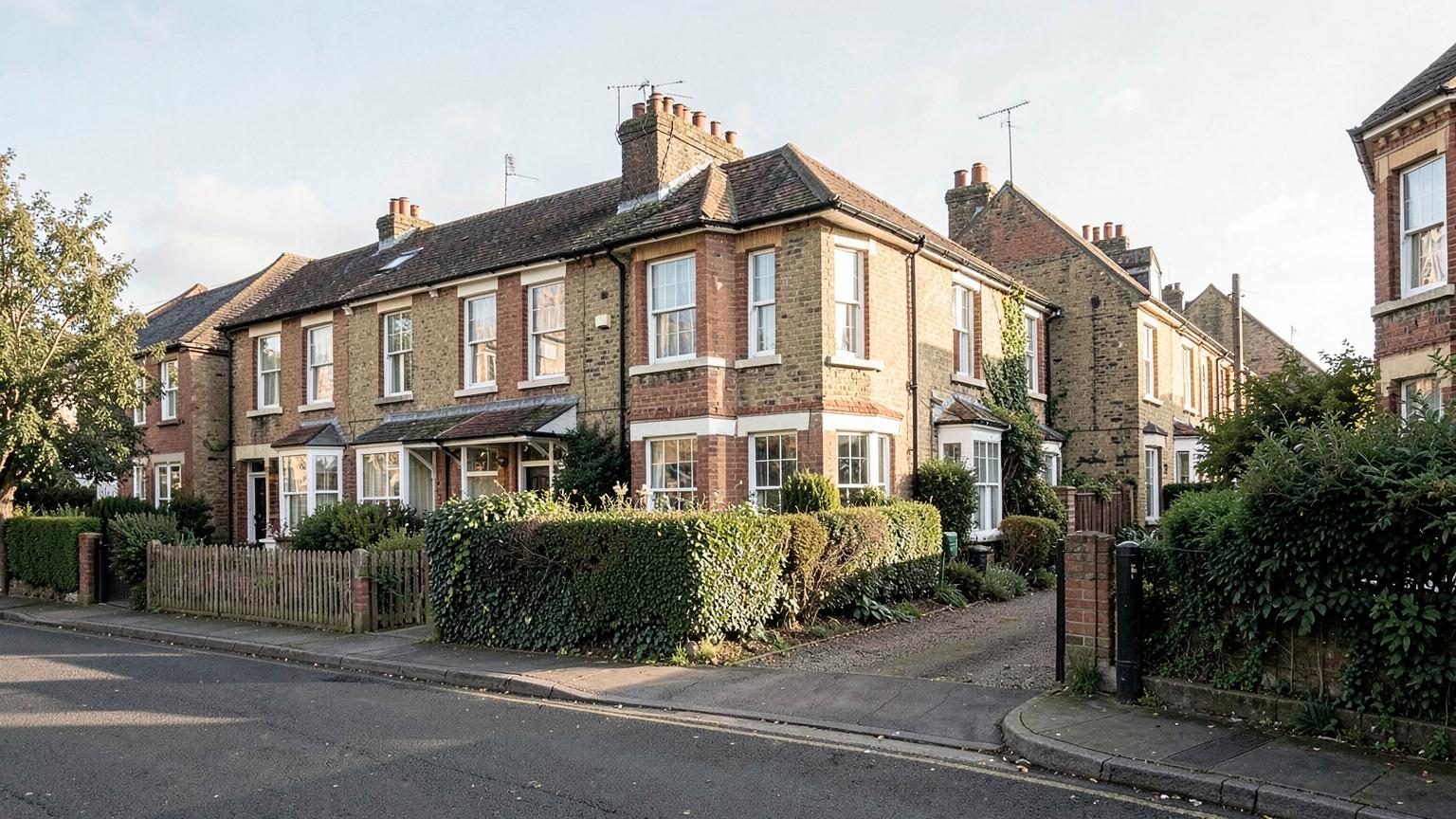




Housing stock in Croydon
Croydon town centre has a notable cluster of 1960s and 1970s residential and mixed-use towers, many refurbished over the decades with varying levels of insulation upgrade. Alongside these, permitted development rights have converted a large number of office buildings into residential use across East Croydon, often retaining commercial-grade glazing and heating that was never designed around domestic energy standards, which tends to produce lower ratings. Purley, Thornton Heath and Addiscombe are more suburban, with Victorian and Edwardian terraces and cavity-wall semi-detached houses that generally assess better once insulated. Newer build-to-rent schemes have also appeared near East Croydon station, typically achieving band B or C.
Landlord rules and licensing in Croydon
Croydon's rented homes must meet the MEES minimum of band E, and the proposed rise to band C for new tenancies by 2030 is a real consideration given how much office-to-residential stock sits below that threshold. An EPC is required for HMO licence applications, and Croydon operates one of the more extensive additional licensing schemes in outer London, though exact boundaries and renewal dates should be checked directly with the council before an application, since designations are reviewed periodically. Office-to-residential conversions also frequently trigger licensing thresholds that landlords do not always anticipate.
What we commonly find here
- Office-to-residential conversions retaining commercial glazing and heating not suited to domestic ratings
- 1960s and 70s tower blocks with incomplete records of previous insulation or refurbishment works
- Suburban semi-detached houses in Thornton Heath with cavity walls suitable for filling
- Solid-walled Victorian terraces in Purley with older gas boilers
- New-build blocks near East Croydon achieving band B or C
- Electric heating in converted flats keeping ratings at band D or E
Working in Croydon
Croydon sits partly outside the ULEZ boundary depending on the exact site, so we always confirm the postcode before a visit, and parking around East Croydon and the town centre is metered but generally easier to find than in inner London. Travel is priced from our Wembley base by actual driving distance. A domestic EPC visit is typically 20-45 minutes, and build-to-rent operators managing office conversions can usually provide floor plans that speed up the desktop review. Certificates are lodged on the EPC Register the same or next working day.
East Croydon's office-to-residential conversions
Permitted development rights have converted a significant number of office buildings around East Croydon into residential use over the past decade, and these conversions need a fresh domestic EPC for each new flat, assessed under RdSAP against the building as converted rather than any commercial EPC the office previously held. Office buildings were often built with suspended ceilings, deep floorplates and lighting and heating systems designed for daytime commercial occupancy, and where these systems have simply been left in place around new residential partitions rather than adapted for domestic use, this frequently limits the rating a converted flat can achieve without further upgrade work.
- Fresh domestic EPC required for every flat created by office-to-residential conversion
- Commercial-specification heating and lighting systems limiting ratings where left unadapted
Croydon town centre's 1960s and 70s towers
The cluster of residential and mixed-use towers built across Croydon town centre in the 1960s and 70s has generally been refurbished at least once, sometimes more than once, with communal heating, glazing and insulation upgrades carried out in phases that are not always fully documented. Where cladding or external insulation has been added during a refurbishment, this can improve the wall element of the RdSAP calculation, but we need to see what was actually installed rather than assume a standard specification, since refurbishment quality and coverage varies between blocks even within the same town centre.
Purley and Addiscombe's suburban and estate stock
Purley retains a number of older blocks with solid or early cavity wall construction and individual gas central heating installed decades ago, some since upgraded to combination boilers and some not, which produces a wide spread of ratings across broadly similar-looking buildings. Addiscombe and Thornton Heath combine Victorian and Edwardian terraces, some converted into flats or small HMOs, with post-war estate blocks, and the recurring factor across this suburban stock affecting EPC ratings is whether loft insulation has been topped up to current recommended depth and whether original single glazing has been replaced, both straightforward checks we carry out as standard.
What an EPC costs in Croydon
Indicative EPC prices in Croydon
| Property | Typical scope | Price from |
|---|---|---|
| Office-to-residential conversion flat, East Croydon | Domestic EPC, RdSAP assessment | from £50 |
| 1960s/70s residential tower flat, Croydon town centre | Domestic EPC including communal heating and refurbishment review | from £55 |
| Older block flat, Purley | Domestic EPC, RdSAP assessment | from £45 |
| Victorian terrace HMO, Thornton Heath or Addiscombe | Domestic EPC for HMO licence application | from £45 |
When you need an EPC in Croydon
A valid Energy Performance Certificate is required before a home in Croydon is marketed for sale or let, and it lasts ten years. Under the Minimum Energy Efficiency Standard a rented home must reach at least band E, and the government has proposed raising that to band C for rented homes by 2030, so a current certificate is also the starting point for planning upgrades. New builds and material conversions need SAP calculations at design stage and an on-completion EPC, and commercial premises need a non-domestic certificate produced on the same basis.