
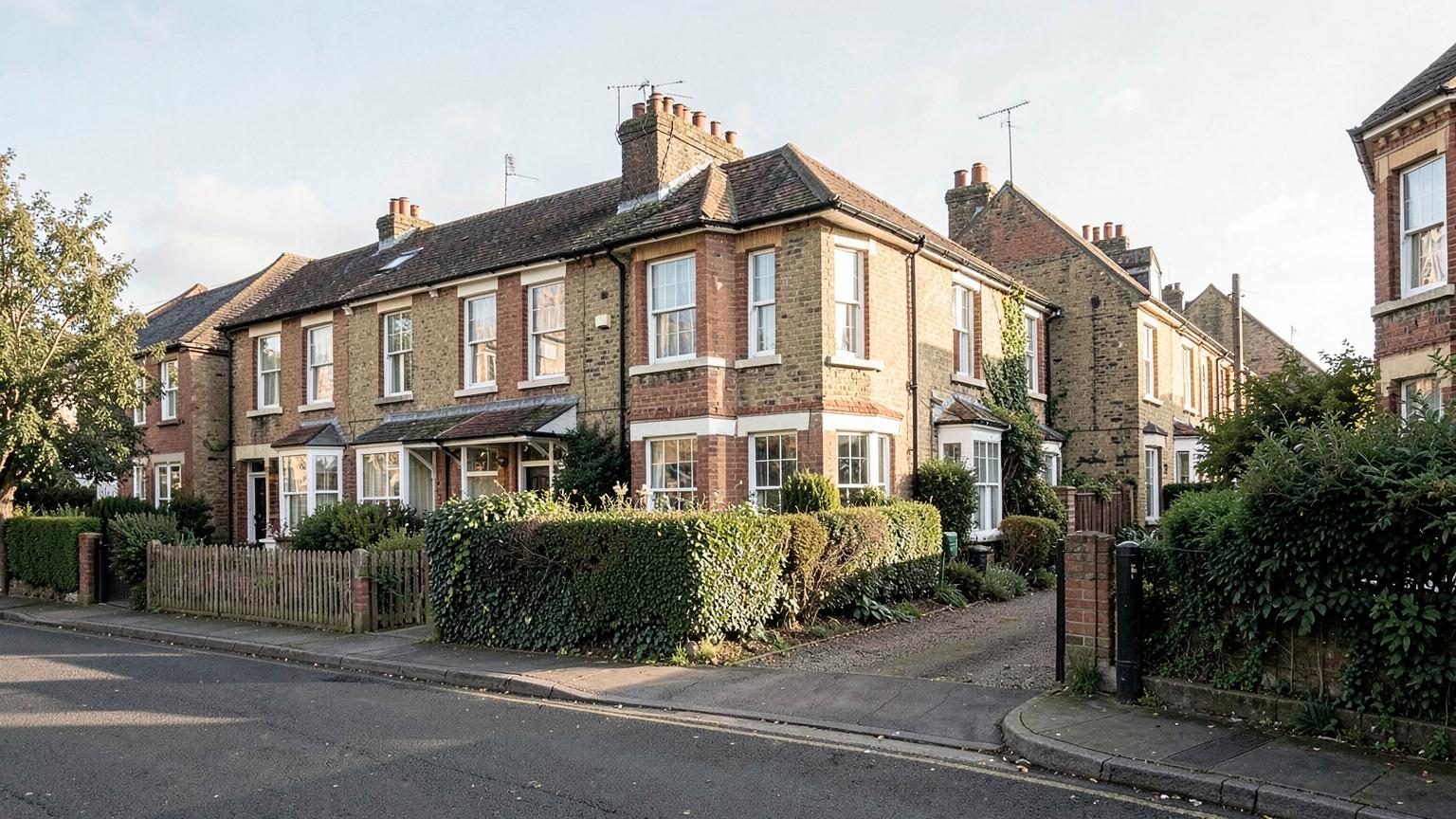




Housing stock in Waltham Forest
Walthamstow and Leyton have dense stocks of Victorian and Edwardian terraces converted into flats and HMOs, generally solid-walled with older gas boilers, often above shopfronts along high streets. Leytonstone and the southern wards have similar conversion stock alongside post-war purpose-built blocks with electric heating. Chingford is more suburban, with 1930s cavity-wall semi-detached housing that responds well to standard insulation. Walthamstow town centre has seen substantial new residential development, including several mid-rise and taller blocks typically achieving band B or C.
Landlord rules and licensing in Waltham Forest
Rented properties in Waltham Forest must meet the MEES minimum of band E, and the proposed rise to band C for new tenancies by 2030 will affect a meaningful share of the borough's solid-walled Walthamstow and Leyton conversions. An EPC is required for HMO licence applications, and Waltham Forest operates additional licensing for HMOs across the borough, reflecting the high proportion of shared housing in Walthamstow and Leyton. Confirm the current boundary and renewal date with Waltham Forest Council before submitting an application.
What we commonly find here
- Solid-walled Victorian HMOs in Walthamstow and Leyton with older gas boilers
- Cavity walls in Chingford semi-detached houses suitable for standard insulation
- Loft conversions adding bedrooms without a corresponding insulation upgrade
- New-build Walthamstow town centre blocks achieving band B or C
- Electric heating in post-war estate blocks keeping ratings at band D or E
- Mixed commercial-residential buildings where older heating serves flats above shops
Working in Waltham Forest
Waltham Forest sits within ULEZ, and parking around Walthamstow and Leyton is controlled; Chingford is easier for parking. Travel is priced from our Wembley base by actual driving distance. A domestic EPC visit is typically 20-45 minutes, and we confirm access to all letting rooms at booking for HMO landlords ranging from large portfolios to individual owners. Certificates are lodged on the EPC Register the same or next working day.
Walthamstow's dense HMO and shopfront stock
Walthamstow's Victorian and Edwardian terraces, particularly around the High Street and Blackhorse Road, have seen intense conversion pressure over the past decade as the area's popularity and transport links have improved, producing a dense concentration of HMOs and flats above shops. Each self-contained letting needs its own EPC, and we routinely find older gas fires or ageing individual boilers holding ratings down more than the solid-wall construction itself, since cavity insulation is rarely an option in this stock. Where a building combines ground-floor retail with residential flats above, the flats and the commercial unit are assessed and certified separately using the appropriate methodology for each.
- Older individual heating systems often the main factor limiting ratings
- Flats above shops certified separately from the commercial unit below
Leyton and Leytonstone's Olympic-fringe regeneration
Leyton and Leytonstone sit close to the Olympic Park fringe and have seen a mix of new mid-rise residential development alongside their existing Victorian terrace and post-war estate stock, giving a genuinely varied caseload across a compact area. New-build blocks here are assessed under SAP and typically achieve strong ratings from modern fabric and heating specifications, while the surrounding post-war estate flats often still rely on communal heating systems whose declared efficiency has a real effect on the individual flat's rating. Victorian terrace conversions nearby need a full RdSAP survey to record wall construction, glazing and heating accurately.
Chingford's suburban housing
Chingford stands apart from the rest of the borough with its more suburban character, dominated by 1930s semi-detached and detached houses and larger properties towards Chingford Mount and the edge of Epping Forest. Conversion into flats is less widespread here than in Walthamstow or Leyton, but where it has happened cavity wall insulation and loft top-ups tend to be the most cost-effective recommendations, alongside replacing any surviving older storage heaters with gas central heating or a heat pump. Parking is markedly easier here than in the denser parts of the borough, which we factor into how visits are scheduled.
What an EPC costs in Waltham Forest
Indicative EPC prices in Waltham Forest
| Property | Typical scope | Price from |
|---|---|---|
| Victorian terrace HMO, Walthamstow or Leyton | EPC for HMO licence application | from £45 |
| Flat above shop, Walthamstow High Street | Domestic EPC, RdSAP survey and certificate | from £45 |
| New-build flat, Leyton or Leytonstone | SAP calculation plus as-built EPC | from £70 |
| Post-war estate flat, Leytonstone or Walthamstow | Domestic EPC, communal heating system review | from £50 |
| 1930s semi-detached conversion, Chingford | Domestic EPC with cavity wall insulation review | from £50 |
When you need an EPC in Waltham Forest
A valid Energy Performance Certificate is required before a home in Waltham Forest is marketed for sale or let, and it lasts ten years. Under the Minimum Energy Efficiency Standard a rented home must reach at least band E, and the government has proposed raising that to band C for rented homes by 2030, so a current certificate is also the starting point for planning upgrades. New builds and material conversions need SAP calculations at design stage and an on-completion EPC, and commercial premises need a non-domestic certificate produced on the same basis.