The cheapest, highest-impact EPC improvements are usually loft insulation top-ups, hot water cylinder insulation and upgrading heating controls, each costing relatively little and often moving the score by several points. Larger jumps — moving out of bands F or G, or from D into C — typically require cavity or solid wall insulation, a heating system upgrade, or double glazing, all of which cost more but address the biggest sources of heat loss. The right sequence is to fix the cheap, high-return items first, then assess whether a single larger measure is needed to cross the next band threshold.
Start with your recommendations report, not a generic list
Every EPC comes with a recommendations report specific to that property, listing measures the assessor's software identifies as applicable, roughly ordered by cost-effectiveness. This is the correct starting point rather than a generic 'top 10 EPC improvements' list, because a property that already has cavity wall insulation and single glazing needs a completely different plan to one with solid walls and modern double glazing. If you don't have a current EPC, or the one you have predates work you've since carried out, get a fresh assessment first so any improvement spending is targeted at what's actually holding your specific score back.
Read the recommendations report attached to your current EPC in full
Note which items are marked as already present versus recommended
Check whether any past improvements are missing from the record
Prioritise items the report flags as high-impact for your property type
The cheap, high-return measures
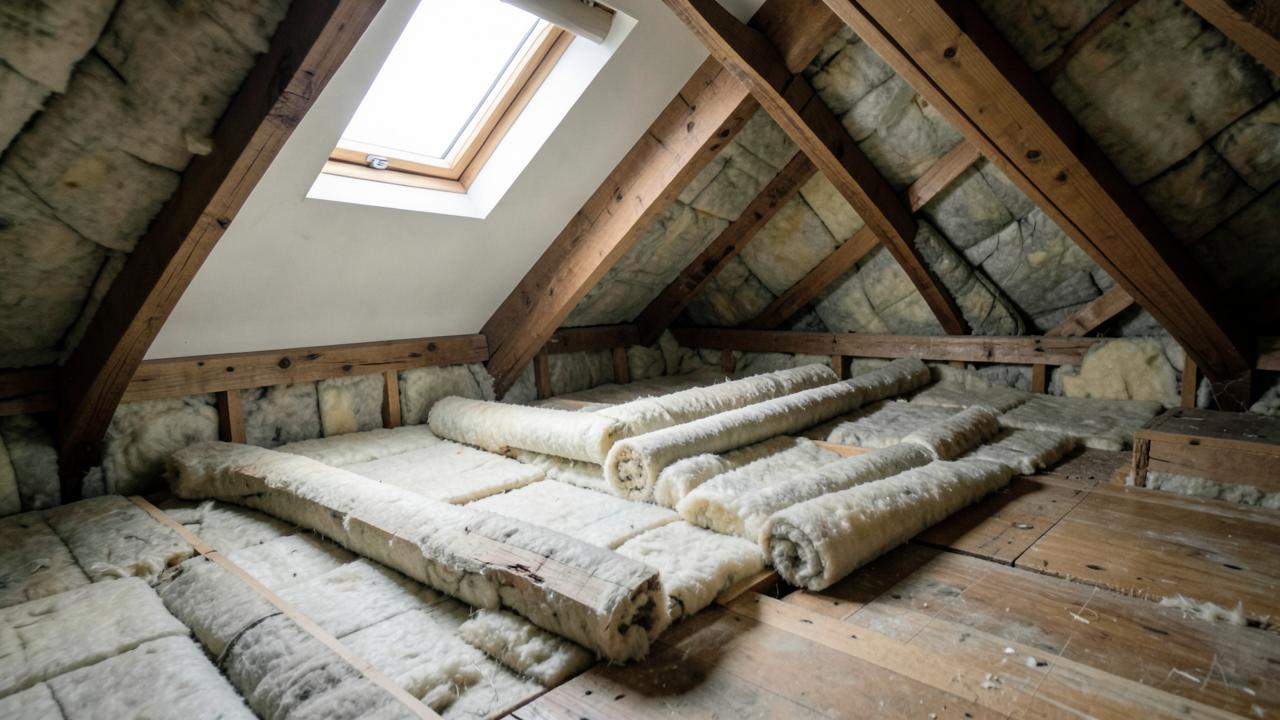
A handful of measures consistently deliver a strong score improvement relative to their cost, which makes them sensible first steps regardless of what else you plan to do. Topping up loft insulation to the recommended depth (currently around 270mm) is one of the cheapest interventions available and can be done in a day. Insulating a hot water cylinder that's currently bare or under-insulated is inexpensive and directly reduces heat loss. Upgrading heating controls — adding thermostatic radiator valves, a room thermostat or a programmer where none exists — improves how efficiently an existing system is used without replacing the boiler itself. Switching remaining bulbs to low-energy alternatives is essentially free and still contributes, however marginally, to the final score.
Top up loft insulation to at least 270mm
Insulate an exposed or under-insulated hot water cylinder
Add thermostatic radiator valves and a room thermostat if missing
Fit a heating programmer/timer if the system doesn't already have one
Switch to low-energy LED lighting throughout
Quick wins to check before spending on anything bigger
Loft insulation depthShould be around 270mm; many homes are well below this
Hot water cylinder jacketCheap to fit if missing or thin
Thermostatic radiator valves fitted to all radiators
Working room thermostat and programmer
Low-energy bulbs in every fitting
The buildings behind this advice
The bigger-ticket measures that move whole bands
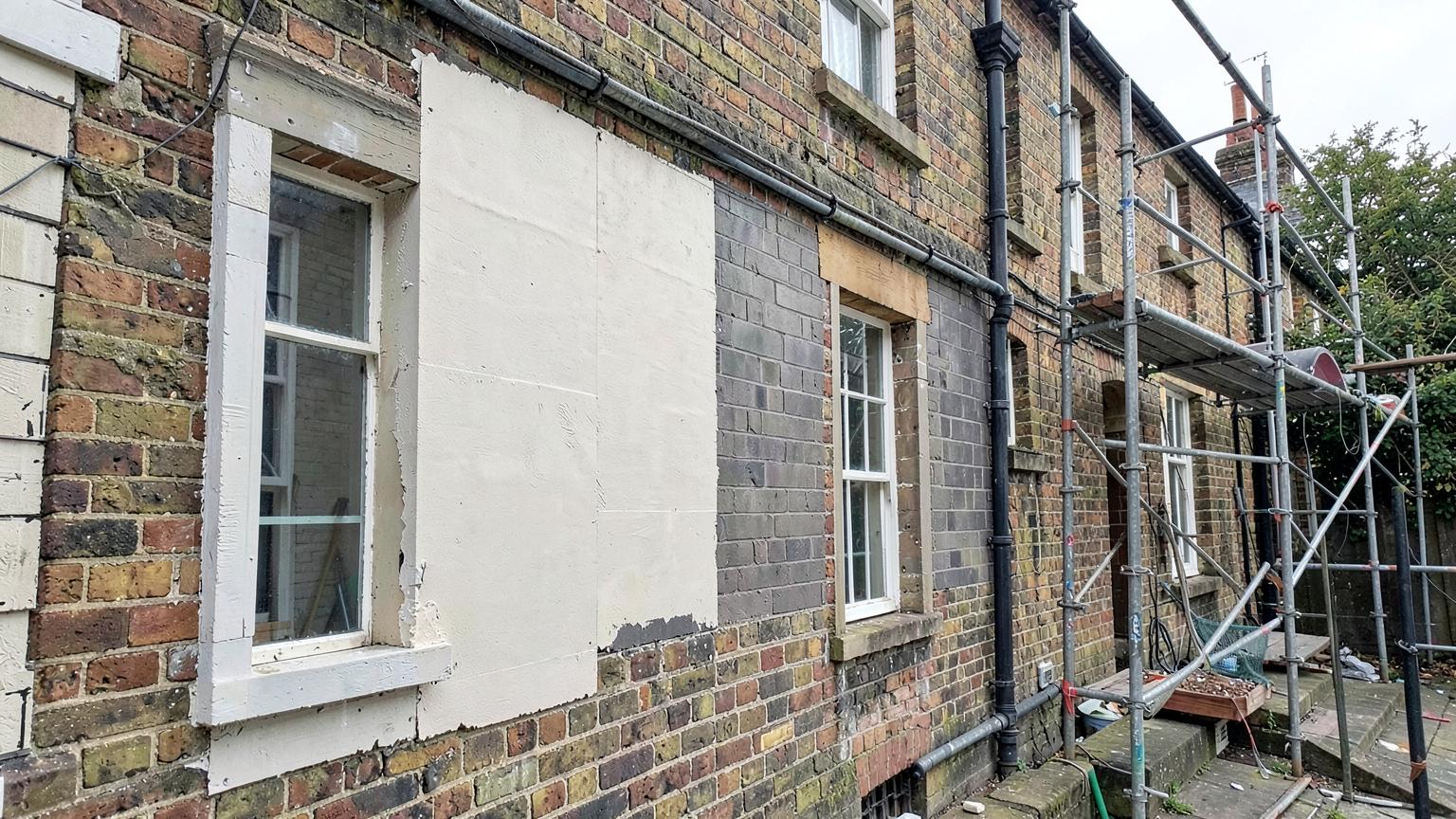
Crossing from one band into the next — particularly out of F or G, or from D into C — usually requires one of the larger structural measures rather than a combination of small fixes alone. Cavity wall insulation, where the property has an unfilled cavity, is typically the single most cost-effective larger measure because uninsulated cavity walls are a major heat loss route and filling them is comparatively affordable and quick. Solid wall insulation (internal or external) addresses the same problem in pre-1930s properties without a cavity but costs considerably more and is more disruptive. Replacing an old, inefficient boiler with a modern condensing model, or upgrading single glazing to double glazing, both deliver meaningful score improvements but at a materially higher cost than the fabric-only measures above.
Measure
Typical cost
Typical score impact
Loft insulation top-up
£100–£400
Small to moderate
Hot water cylinder insulation
£20–£60
Small
Heating controls upgrade
£100–£500
Small to moderate
Cavity wall insulation
£500–£1,500
Moderate to large
Solid wall insulation
£5,000–£15,000+
Large
Boiler replacement
£2,000–£4,000
Moderate to large
Double glazing (whole house)
£3,000–£10,000+
Moderate
Where heat pumps and solar PV fit in
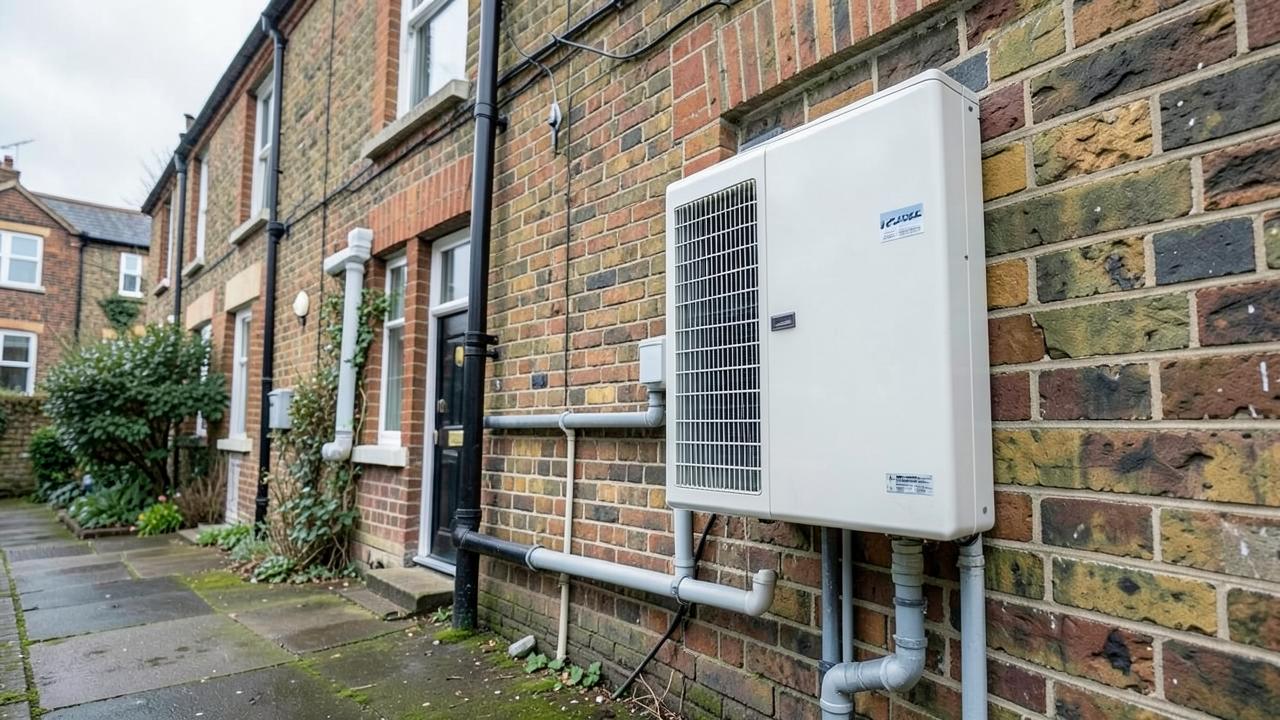
Air source heat pumps and solar PV can both improve an EPC score, but they work best — and score best — when the building's fabric is already reasonably efficient. A heat pump installed in a poorly insulated property with old radiators sized for a gas boiler can struggle to deliver the flow temperatures needed for adequate heating, and the software will reflect this in a more modest score improvement than the same heat pump in a well-insulated home with appropriately sized emitters. The general sequencing principle — insulate first, then consider low-carbon heating — applies as much to EPC scoring as it does to running costs and comfort in practice.
Improve wall, loft and glazing performance before installing a heat pump
Check radiator sizing is appropriate for lower flow temperatures
Solar PV adds a straightforward, quantifiable score benefit
Battery storage paired with solar PV can add further benefit depending on the software version used
Documentation: the improvement that costs nothing
One of the most overlooked ways to improve a score costs nothing at all: making sure evidence of work you've already had done is available to the assessor. Cavity wall insulation, loft insulation top-ups, double glazing installed under FENSA certification, and boiler replacements with Gas Safe or building control sign-off can all be recorded more favourably when documentary proof exists, because the assessor otherwise has to rely on a visual inspection alone and, in cases of doubt, apply a more conservative default assumption. Dig out any paperwork before the assessment rather than after.
A sensible order of operations
For most owners and landlords working to a budget, the sensible order is: get a current EPC and read the recommendations report, gather documentation for anything already done, complete the cheap fixes (loft top-up, cylinder jacket, heating controls, lighting), then assess whether a single larger measure — most often cavity wall insulation where applicable — is needed to cross the next band threshold. Only after the fabric is reasonably sound does it make sense to consider a heat pump or additional glazing work purely for EPC purposes, since fabric-first sequencing gets the best return at each stage.
Suggested sequence for landlords targeting a specific band
1. Get a current EPC
Establish your actual starting point and read the recommendations report.
2. Gather documentation
Locate FENSA certificates, insulation guarantees and heating records.
3. Complete low-cost fixes
Loft top-up, cylinder jacket, heating controls, LED lighting.
4. Assess the one big measure needed
Usually cavity wall insulation, a boiler upgrade, or glazing.
5. Re-assess
Book a fresh EPC to confirm the new band before marketing or re-letting.
Re-assessing once work is done
Improvement work only affects your legal position once it's reflected in a current, valid EPC — carrying out the work without a fresh assessment leaves your official rating unchanged on the Register. This matters most for landlords needing to clear the MEES minimum standard before a letting can proceed, since an outdated certificate showing band F does not become band D simply because the wall insulation has since gone in.
Had improvement work done? Get it reflected on your EPC.
Team EPC can re-survey your property and lodge an updated certificate showing your new rating, from £35, with same or next working day turnaround across Greater London and the Home Counties.