
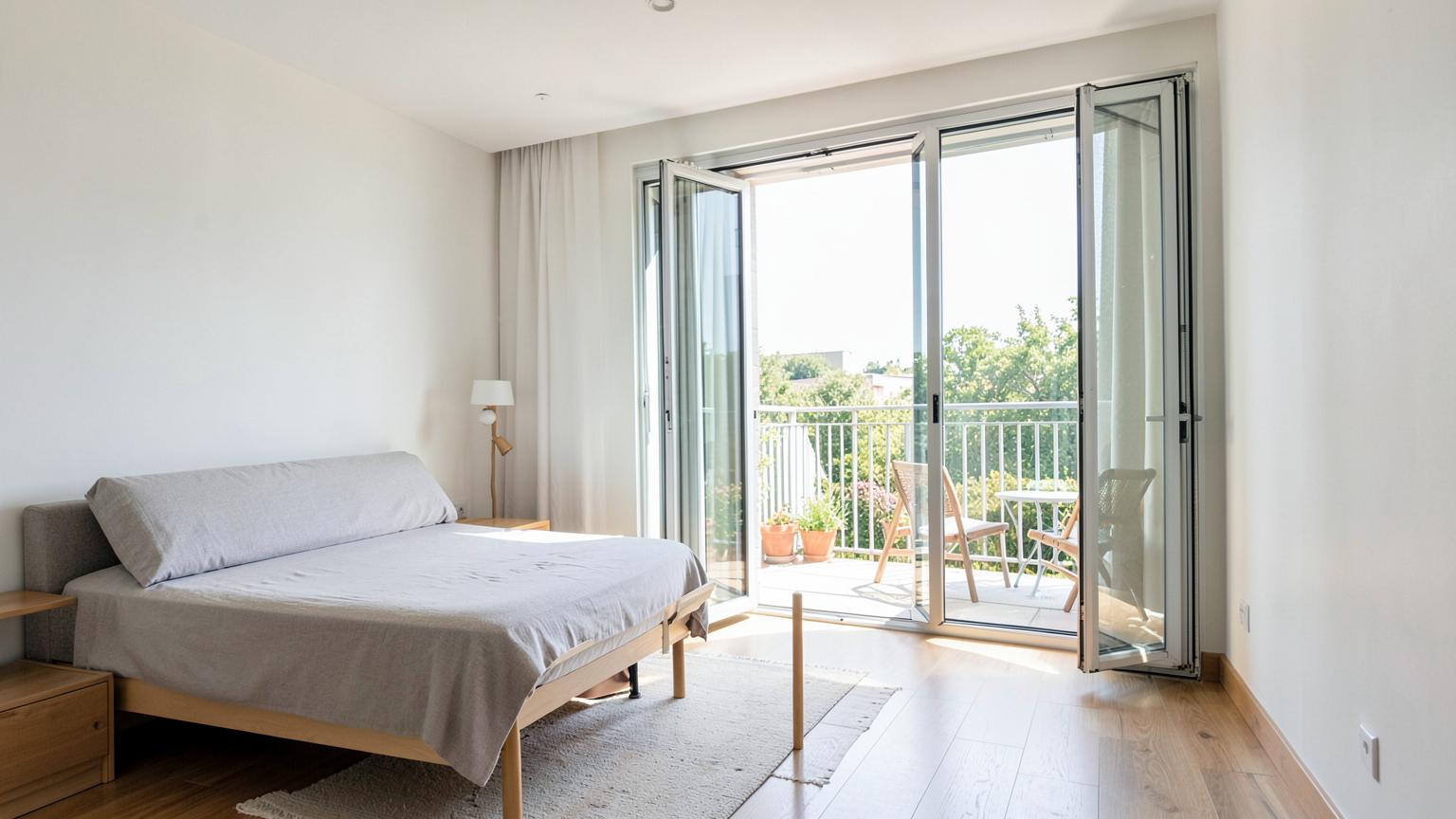




How a flat's EPC differs from a house's
A flat's rating depends heavily on its position within the block: a middle-floor flat surrounded by other heated flats generally performs better than a top-floor flat under an uninsulated roof space, or a ground-floor flat over an unheated space such as a car park or void. Communal heating systems, where they exist, are modelled differently from an individual boiler, and the assessor needs to identify whether the flat is on a communal system, has its own combi boiler, or uses electric heating, since each is treated differently under RdSAP.
Who needs an EPC for a flat
The same legal duty applies as for any residential property — an EPC is required before marketing for sale or let.
- Owners selling a leasehold or freehold flat
- Landlords letting a flat, including buy-to-let investors
- Developers of new-build flats and conversions
- Housing associations re-letting flats
- Managing agents arranging certificates on an owner's behalf
What the assessor records in a flat
The survey covers the flat's own construction — walls, windows, floor and ceiling — plus its position in the building, the heating and hot water system, and any insulation evidence available. Because much of a flat's structure is shared with neighbouring flats, the assessor also needs to know, where possible, whether neighbouring flats above, below and to the side are heated, since an unheated void space affects the rating more than a heated neighbour does.
What affects the price for a flat
Flats are generally our lowest-cost survey because floor areas are typically smaller and there is usually a single heating zone to record, which is why our from-£35 starting price applies mainly to flats and studios. Larger flats, maisonettes with two storeys, and flats in blocks with restricted access or lengthy concierge sign-in procedures can take a little longer and may be priced slightly higher. We confirm the exact price for your flat before booking.
Access to blocks and buildings
Getting into the building on the day is often the only real friction point for a flat EPC, particularly in managed blocks with concierge, key safes, or restricted visitor access. We ask for access arrangements at the point of booking — a code, a contact number for the concierge, or a managing agent to liaise with — so the assessor is not left waiting outside on arrival.
Timescales for flat EPCs
Flats are usually the quickest survey we carry out, typically twenty to thirty minutes on site once access is arranged, and bookings can often be made for the next working day or the same day where needed. The certificate is lodged and emailed within 24 hours of the visit in almost all cases.
Common findings in flats
Top-floor flats under a poorly insulated roof void, and ground-floor flats above an unheated car park, are consistently among the lower-scoring flat types even when everything else about the flat is modern. Storage heaters and older electric heating systems also tend to score less well than gas combi boilers, reflecting the higher cost per unit of electric heat. Where a flat is on a communal heating system, the rating depends partly on how that system is metered and billed, which is worth checking with the managing agent if the result seems surprising.
How to prepare for your flat survey
Arrange access to the building and the flat in good time, have the flat's front door and any storage cupboards accessible, and let us know if the flat has a loft hatch, storage in the roof space, or is a maisonette with an internal staircase, so we can plan for the extra time that involves.