
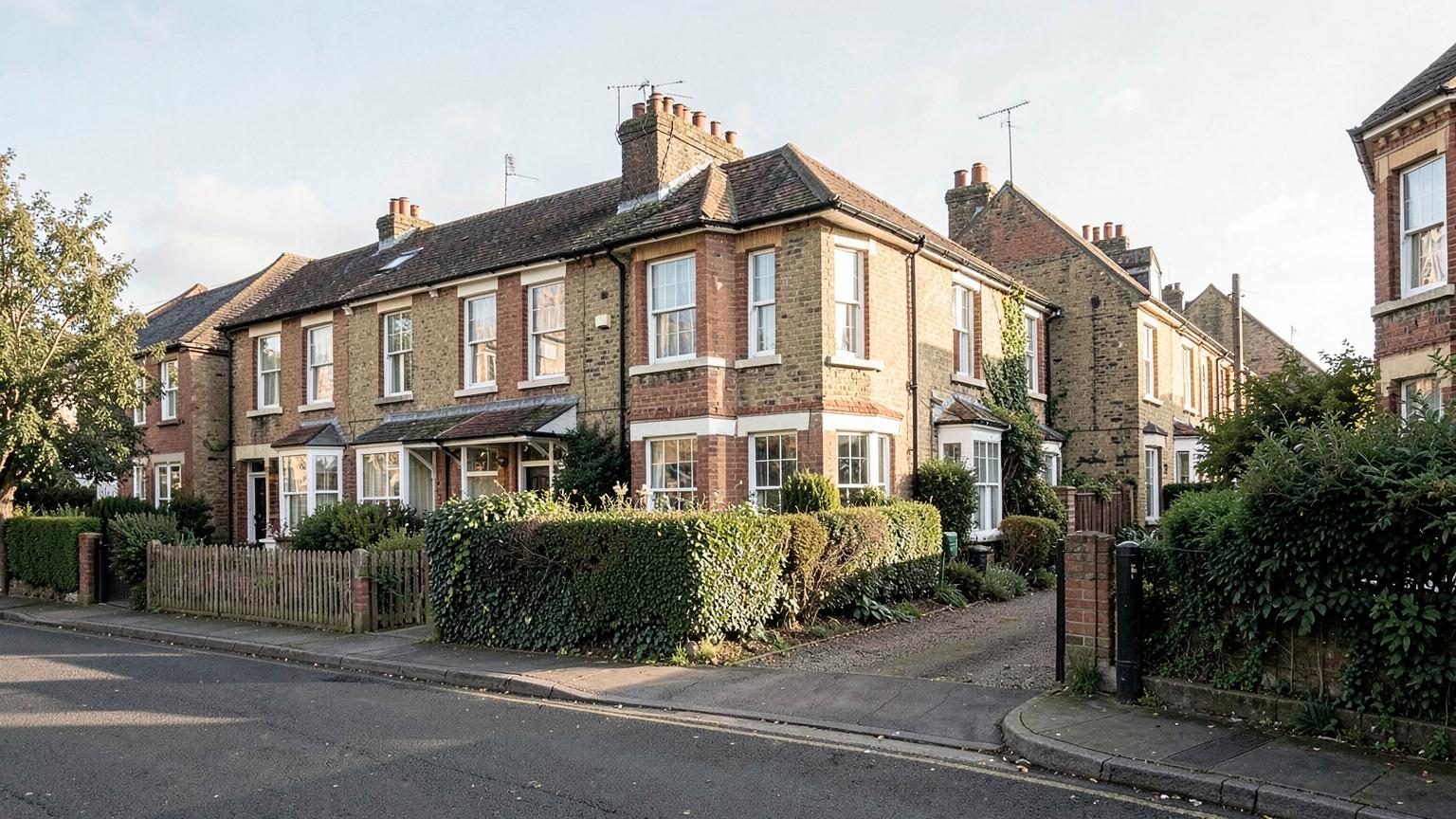




Housing stock in Havering
Romford and Hornchurch are dominated by 1930s and post-war semi-detached and terraced housing, most with cavity walls suitable for standard fill insulation, with a growing number of conversions into flats and HMOs. Upminster and Rainham are more suburban and village-like, with larger detached properties, some solid-walled and older. New residential development has concentrated around Romford town centre and near transport hubs, typically achieving band B or C. Commercial and industrial premises in Rainham and along the A13 corridor require a separate non-domestic EPC where they are sold or let.
Landlord rules and licensing in Havering
Rented homes in Havering must meet the MEES minimum of band E, with the proposed rise to band C for new tenancies by 2030 generally achievable for the borough's cavity-wall suburban stock. An EPC is required for HMO licence applications, and Havering applies mandatory HMO licensing to larger qualifying properties. Additional and selective licensing schemes have been considered, so confirm the current position with Havering Council before submitting an application. The borough's lower housing density means licensing pressure is lighter than in inner London, but conversions of family homes can still trigger mandatory thresholds.
What we commonly find here
- Cavity walls in 1930s and post-war house conversions suitable for standard insulation
- Loft conversions adding bedrooms without a corresponding insulation upgrade
- Older, less efficient boilers in family houses converted to HMOs
- New-build Romford blocks achieving band B or C
- Solid-walled older properties in Upminster and Rainham with more limited retrofit options
- Commercial premises in Rainham requiring a separate non-domestic EPC
Working in Havering
Havering sits outside the ULEZ boundary and on-street parking is generally easy, making visits straightforward. Travel is priced from our Wembley base by actual driving distance, and Havering falls into a longer travel band given the distance across London. A domestic EPC visit is typically 20-45 minutes, and the borough's size means we often route visits geographically. Certificates are lodged on the EPC Register the same or next working day.
Romford's town-centre conversions and shopfront flats
Romford town centre has a substantial run of Victorian and Edwardian terraces converted into flats above shops along South Street and the surrounding roads, plus a growing number of HMOs serving the area's rail and Elizabeth line connections. Flats above commercial units are assessed in the normal way as domestic dwellings, but we do note where a shared flue or heating riser passes through the commercial space below, since that can affect the SAP data entered for the heating system. Solid brick party walls between these old shopfront buildings mean cavity wall insulation is rarely an option, so recommendations tend to focus on loft insulation, draught-proofing and upgrading an ageing boiler.
- Shared flues or heating risers passing through the ground-floor unit below
- Solid-wall construction ruling out cavity insulation in most cases
Rainham and the A13 industrial corridor
The warehouse and logistics premises along the A13 towards Rainham and Beam Reach sit alongside residential streets, and non-domestic buildings of this type need a commercial EPC produced using SBEM rather than the RdSAP methodology used for homes. SBEM assessments record the building's construction, lighting, heating and any air conditioning or mechanical ventilation, and warehouse units with high-bay lighting or unheated storage areas often achieve a reasonable rating simply because of low energy demand per square metre, even where insulation levels are modest. We schedule these commercial visits around loading bay operations and confirm site access, including any security requirements, before booking.
Upminster and Cranham's larger family conversions
Upminster and Cranham retain a more semi-rural, village character than the rest of the borough, with larger detached and link-detached houses, some of which have been converted into two or three flats to meet demand near the District line terminus. These larger houses often have generous loft space that is straightforward to insulate to current standards, and where an oil-fired boiler survives from a pre-conversion layout, replacing it with mains gas or an air-source heat pump is usually the single biggest improvement we recommend. Detached outbuildings converted into annexes also need their own EPC where they are let or sold separately from the main house.
What an EPC costs in Havering
Indicative EPC prices in Havering
| Property | Typical scope | Price from |
|---|---|---|
| Flat above shop, Romford town centre | Domestic EPC, RdSAP survey and certificate | from £45 |
| Warehouse or industrial unit, Rainham/A13 corridor | Commercial EPC, SBEM assessment | from £150 |
| Detached house converted to 2-3 flats, Upminster or Cranham | Domestic EPC per flat | from £55 |
| 1930s terrace HMO, Romford or Hornchurch | EPC for HMO licence application | from £45 |
When you need an EPC in Havering
A valid Energy Performance Certificate is required before a home in Havering is marketed for sale or let, and it lasts ten years. Under the Minimum Energy Efficiency Standard a rented home must reach at least band E, and the government has proposed raising that to band C for rented homes by 2030, so a current certificate is also the starting point for planning upgrades. New builds and material conversions need SAP calculations at design stage and an on-completion EPC, and commercial premises need a non-domestic certificate produced on the same basis.