
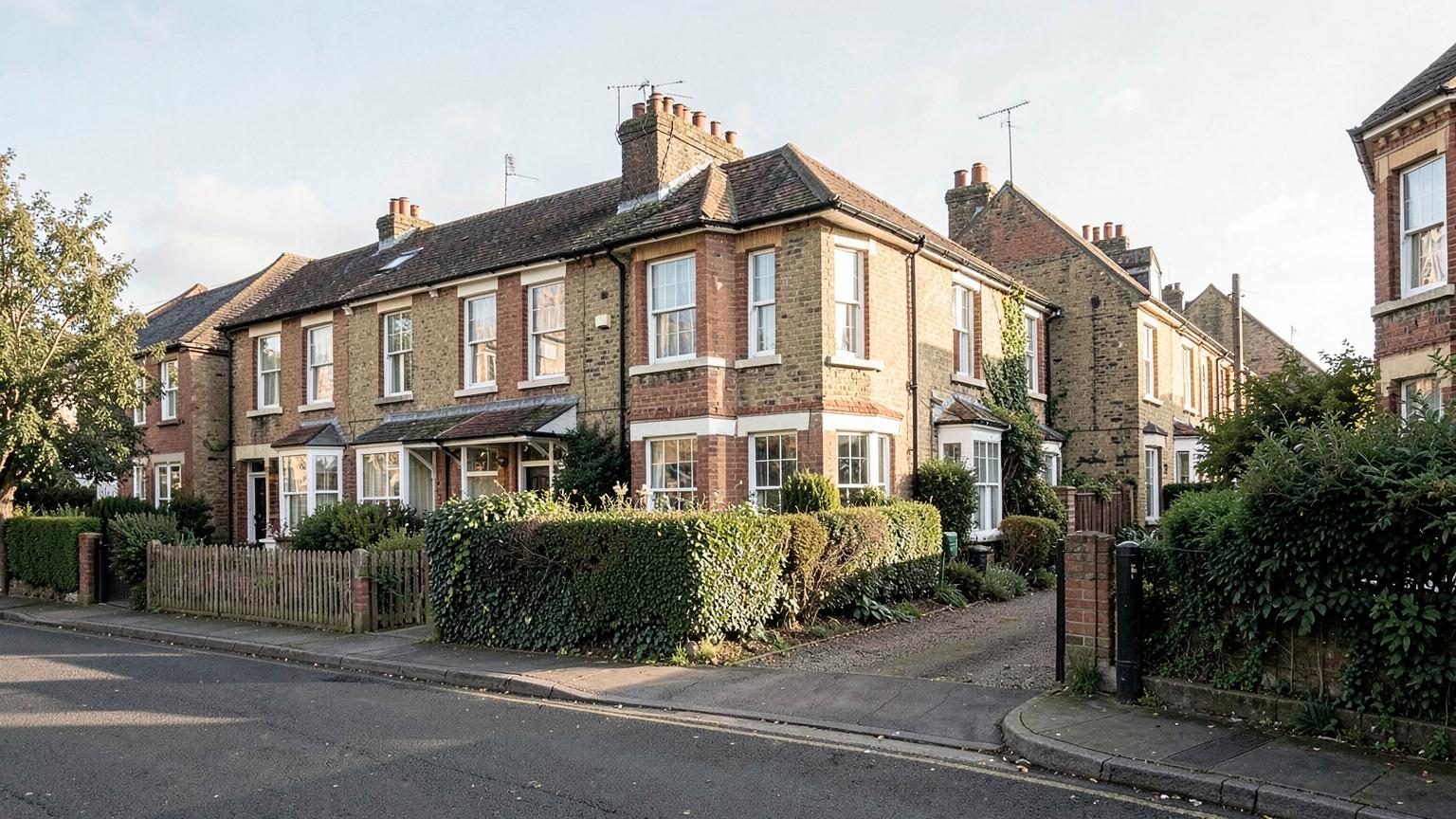




Housing stock in Harrow
Pinner and Harrow-on-the-Hill have large detached and semi-detached Victorian and Edwardian houses, many solid-walled and converted into flats or small HMOs with older heating systems. Stanmore and Harrow Weald are dominated by 1930s semi-detached and detached suburban housing, most with cavity walls suited to standard fill insulation. Harrow town centre has seen significant high-rise and mid-rise residential development, particularly near the Metropolitan line station, typically achieving band B or C. There is a smaller stock of post-war purpose-built low-rise blocks across the borough with more variable insulation standards.
Landlord rules and licensing in Harrow
Rented properties in Harrow must meet the MEES minimum of band E, and the proposed rise to band C for new tenancies by 2030 should be achievable for most of the borough's cavity-wall suburban stock. An EPC is required for HMO licence applications, and Harrow applies mandatory HMO licensing to larger qualifying properties and has operated additional licensing in parts of the borough in the past. Confirm the current position with Harrow Council before submitting an application, and note that loft conversions and subdivisions of large houses are common triggers for licensing that landlords sometimes miss.
What we commonly find here
- Solid-walled Victorian house conversions in Pinner with older heating systems
- Cavity walls in Stanmore and Harrow Weald semi-detached houses suitable for insulation
- Loft conversions adding a third storey without a corresponding insulation upgrade
- Harrow town centre high-rise blocks achieving band B or C
- Original single-glazed windows in older conversions never replaced
- Older non-condensing boilers in family houses converted to flats
Working in Harrow
Harrow sits outside the ULEZ boundary and on-street parking is generally straightforward, making visits efficient. Travel is priced from our Wembley base by actual driving distance, and Harrow falls into a short travel band given its proximity to Wembley. A domestic EPC visit is typically 20-45 minutes, and landlords who self-manage can usually confirm access to all letting rooms at booking. Certificates are lodged on the EPC Register the same or next working day, with same-day appointments frequently available given the short distance from our base.
Pinner, Harrow-on-the-Hill and the Victorian conversion belt
Pinner High Street and the roads around Harrow-on-the-Hill School contain some of the borough's largest Victorian and Edwardian villas, many split into three or four flats decades ago. These conversions typically kept solid brick walls with no cavity, single-glazed sash windows behind later secondary glazing, and a single gas boiler that has since been replaced by individual combi units per flat. An RdSAP assessment on this stock needs to record each flat's own heating and hot water arrangement separately, since a shared communal boiler swapped for individual units changes the rating markedly from what an older EPC on file might show. Hill-top and cul-de-sac properties around Harrow Weald also need parking and access checked before booking, as our assessor needs reasonable access to lofts, meters and any external wall insulation.
- Solid-wall Victorian villas with no cavity to insulate
- Communal boilers replaced by individual combi units per flat
- Restricted parking on private hill-top roads affecting appointment timing
Harrow town centre's high-rise new builds
The regeneration around Harrow-on-the-Hill and Harrow & Wealdstone stations has brought a run of new mid-rise and high-rise residential towers, and these are assessed under SAP rather than RdSAP because they are new construction. Developers need a SAP calculation early in the build to demonstrate compliance with Part L of the Building Regulations, followed by an as-built EPC once the block is complete and ready to market or let. We work from the architect's plans and the as-built specification, including window U-values, air permeability test results and the heat source, typically a communal air-source heat pump or heat network in these newer schemes. Communal heat networks bring their own metering considerations for the individual dwelling EPCs, which we set out clearly for the managing agent handling first lettings.
Stanmore and Harrow Weald's suburban semis
The 1930s semi-detached and detached housing stock across Stanmore, Harrow Weald and Kenton was built with solid or early cavity walls and has often gained loft insulation and replacement double glazing over the years, though to varying standards. Many of these houses have since been split into two or three flats or let as a small HMO to accommodate demand near the Jubilee line, and each self-contained unit needs its own EPC when marketed or let separately. We routinely find older gas boilers or ageing electric storage heaters in these conversions that pull the rating down significantly compared with a semi that has kept its original single-household gas central heating, and we set out the most cost-effective improvements, such as loft top-up insulation or a modern condensing boiler, in the recommendations report.
- Electric storage heating in converted flats pulling ratings down
- Each self-contained flat requiring its own separate EPC
What an EPC costs in Harrow
Indicative EPC prices in Harrow
| Property | Typical scope | Price from |
|---|---|---|
| Victorian villa flat, Pinner or Harrow-on-the-Hill | Domestic EPC, RdSAP survey and certificate | from £50 |
| 1930s semi-detached HMO, up to 5 lettable rooms | EPC for HMO licence application, per self-contained unit | from £45 |
| New-build residential tower, Harrow town centre | SAP calculation plus as-built EPC, per plot | from £75 |
| Detached house converted to 2-3 self-contained flats, Stanmore | Domestic EPC per flat, portfolio rate available | from £45 |
When you need an EPC in Harrow
A valid Energy Performance Certificate is required before a home in Harrow is marketed for sale or let, and it lasts ten years. Under the Minimum Energy Efficiency Standard a rented home must reach at least band E, and the government has proposed raising that to band C for rented homes by 2030, so a current certificate is also the starting point for planning upgrades. New builds and material conversions need SAP calculations at design stage and an on-completion EPC, and commercial premises need a non-domestic certificate produced on the same basis.