
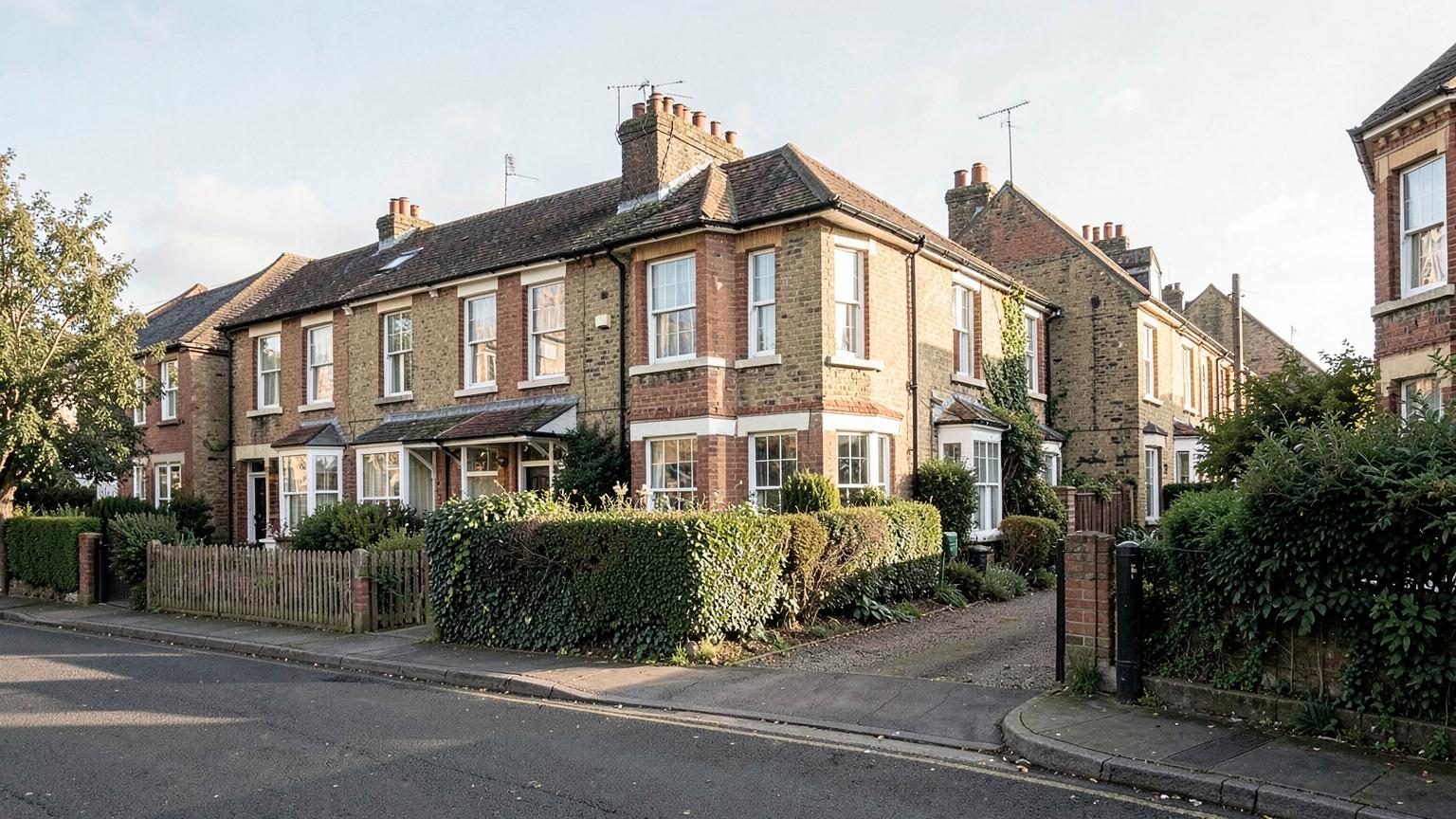




Housing stock in Bexley
Bexleyheath, Welling and Sidcup are dominated by 1930s semi-detached and detached houses, most with cavity walls that respond well to standard fill insulation, alongside larger Victorian solid-walled houses closer to Sidcup and Bexley village. Erith and Thamesmead East have seen substantial new residential development, including mid-rise blocks typically achieving band B or C under SAP. There is a smaller stock of post-war low-rise estate blocks scattered through the borough, generally with adequate but ageing insulation.
Landlord rules and licensing in Bexley
Rented properties in Bexley must meet the MEES minimum of band E, and the proposed rise to band C for new tenancies by 2030 should be manageable for most of the borough's cavity-wall stock through standard measures. An EPC is required for HMO licence applications, and Bexley applies mandatory HMO licensing to larger qualifying properties. Additional and selective licensing schemes have been considered in the past, so check the current position with Bexley Council's private sector housing team before relying on any older information for a licence application.
What we commonly find here
- Cavity walls in 1930s semi-detached houses suitable for standard fill insulation
- Solid-walled Victorian houses near Sidcup with more limited retrofit options
- Original single-glazed windows retained in some older conversions
- New-build blocks in Erith and Bexleyheath achieving band B or C
- Older electric heating in converted flats keeping ratings at band D or E
- Loft insulation missing or below current thickness recommendations in older houses
Working in Bexley
Bexley sits outside the ULEZ boundary and on-street parking is generally straightforward outside the main town centres, making logistics easier than in inner London. Travel is priced from our Wembley base by actual driving distance, and Bexley falls into a longer travel band given the distance across London. A domestic EPC visit is typically 20-45 minutes, and individual landlords can usually confirm bedroom access directly at booking. Certificates are lodged on the EPC Register the same or next working day.
Erith and Thamesmead's riverside estates
Erith and the Bexley side of Thamesmead include substantial post-war and later system-built estate blocks along the Thames, many with communal heating systems and a construction specification dating from a period when insulation standards were far lower than today's. Where cladding, insulation or a communal boiler have since been replaced during refurbishment, an updated EPC is worth commissioning, since these improvements can move a flat into a noticeably better band once the new materials and system efficiency are properly recorded rather than left showing the pre-refurbishment position.
- Communal heating systems recorded against current, not historic, efficiency
- External wall insulation and cladding replacement reflected in updated EPCs
Sidcup and Bexleyheath's suburban semis and HMOs
Sidcup and Bexleyheath are dominated by 1930s semi-detached and detached family housing, much of it in single-family occupation but with a growing number split into flats or let as small HMOs near the mainline stations. As with similar inter-war housing across outer London, cavity wall insulation status is one of the first things we check and often the most cost-effective improvement available, and garage conversions to habitable rooms need their own insulation and glazing assessed separately from the main house where the property has been split into more than one unit.
- Cavity wall insulation status checked as a priority improvement opportunity
- Garage conversions to habitable rooms assessed separately for insulation and glazing
Bexley village and the borough's smaller conversion stock
Bexley village and the areas around it retain a smaller stock of older cottages and terraces converted into flats, generally two or three units per building with solid walls and heating installed independently to each flat at conversion. These conversions are frequently older than current building regulations, so realistic improvement options usually focus on loft insulation, draught-proofing and heating controls rather than assuming wholesale fabric upgrade is proportionate for a listed or traditionally constructed cottage.
What an EPC costs in Bexley
Indicative EPC prices in Bexley
| Property | Typical scope | Price from |
|---|---|---|
| Post-war estate flat, Erith or Thamesmead | Domestic EPC, communal heating and refurbishment review | from £50 |
| 1930s semi-detached conversion, Sidcup or Bexleyheath | Domestic EPC with cavity wall and garage conversion review | from £45 |
| Small HMO, Bexleyheath or Sidcup | Domestic EPC per let unit, licence-ready | from £45 |
| Cottage or terrace conversion, Bexley village | Domestic EPC, solid wall construction | from £45 |
When you need an EPC in Bexley
A valid Energy Performance Certificate is required before a home in Bexley is marketed for sale or let, and it lasts ten years. Under the Minimum Energy Efficiency Standard a rented home must reach at least band E, and the government has proposed raising that to band C for rented homes by 2030, so a current certificate is also the starting point for planning upgrades. New builds and material conversions need SAP calculations at design stage and an on-completion EPC, and commercial premises need a non-domestic certificate produced on the same basis.