
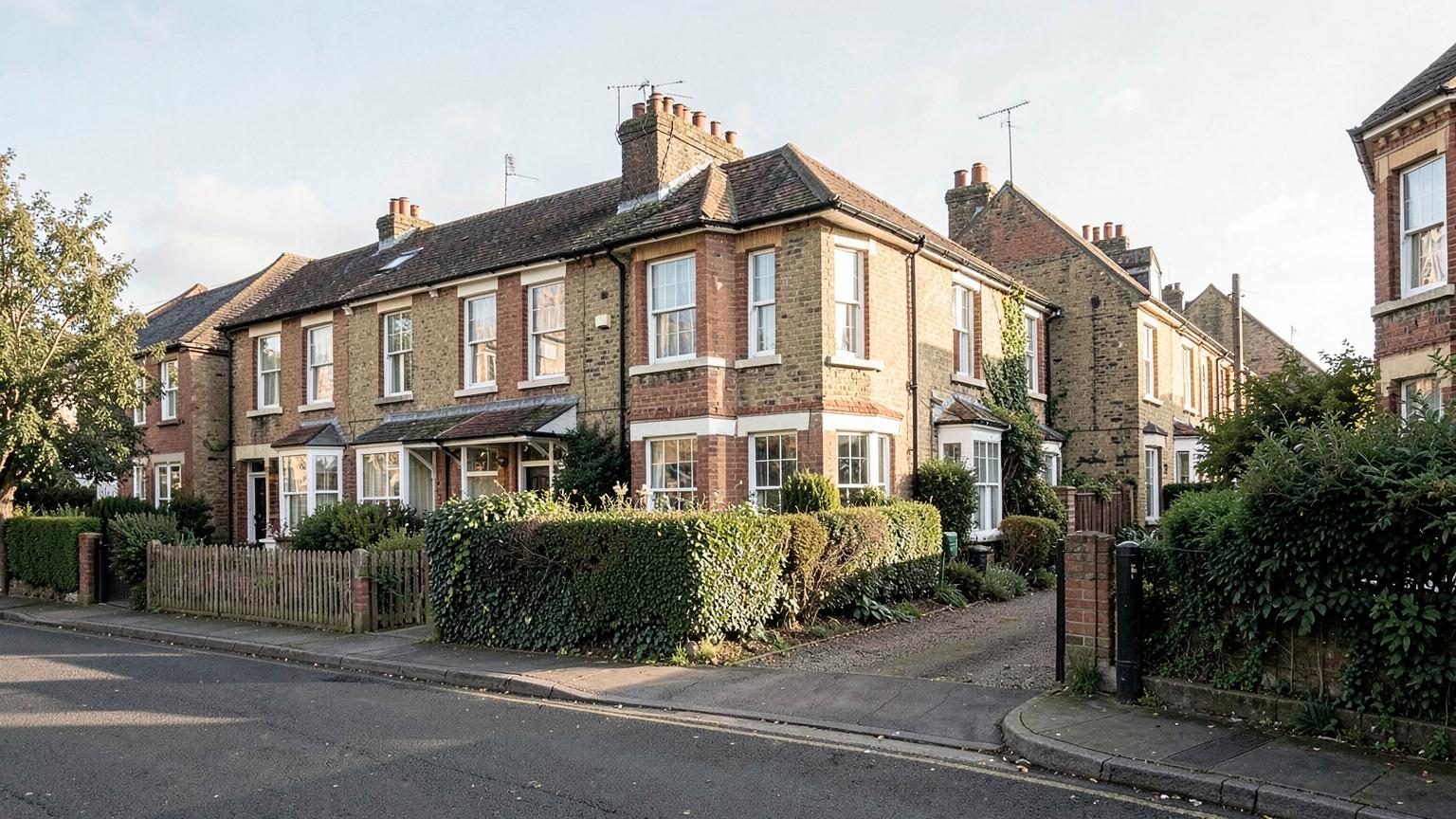




Housing stock in Merton
Wimbledon, Raynes Park and the western wards are dominated by Edwardian and 1930s semi-detached and detached houses, many converted into flats or small HMOs with a mix of solid and cavity wall construction. Mitcham and Colliers Wood have more Victorian terrace conversion stock, generally solid-walled, and post-war purpose-built blocks with electric or communal heating. Morden is largely suburban family housing with cavity walls suited to standard insulation. New development has concentrated around Colliers Wood, Wimbledon town centre and along the Northern line extension corridor, typically achieving band B or C.
Landlord rules and licensing in Merton
Rented properties in Merton must meet the MEES minimum of band E, with the proposed rise to band C for new tenancies by 2030 a consideration for the borough's older Wimbledon and Mitcham HMO stock. An EPC is required for HMO licence applications, and Merton applies mandatory HMO licensing to larger qualifying properties and has operated additional licensing in parts of the borough in the past. Confirm the current position with Merton Council before submitting an application; the student population in Wimbledon means HMO conversion pressure is significant.
What we commonly find here
- Solid-walled Victorian HMOs in Mitcham with older gas boilers
- Cavity walls in 1930s Edwardian conversions in Wimbledon suitable for insulation
- Student HMOs with heating and glazing not upgraded for several years
- New-build blocks in Colliers Wood and Wimbledon achieving band B or C
- Electric or communal heating in older estate blocks
- Loft conversions adding bedrooms without a corresponding insulation upgrade
Working in Merton
Merton sits partly within the ULEZ boundary, so we confirm the postcode before quoting. Wimbledon town centre and Mitcham can be busy, while the suburbs are easier for parking. Travel is priced from our Wembley base by actual driving distance. A domestic EPC visit is typically 20-45 minutes, and student HMOs often need term-time access coordination. Certificates are lodged on the EPC Register the same or next working day.
Wimbledon's student and young-professional HMOs
The roads around Wimbledon town centre and towards Wimbledon Park see significant demand for shared housing from students at nearby institutions and young professionals commuting into central London, and much of that demand is met through conversions of Edwardian and 1930s houses into HMOs. Each self-contained letting within these conversions needs its own EPC for licensing purposes, and kitchens fitted after the original build, sometimes on an upper floor, do not change the RdSAP calculation directly but do mean the assessor needs clear access to every room to record floor areas, windows and heating outlets accurately. We work efficiently through multi-let properties, assessing every unit on a single visit where access can be coordinated in advance.
- Every self-contained HMO letting requiring its own individual EPC
- Full access to every room needed to record floor areas and heating accurately
Mitcham and Colliers Wood's Victorian and post-war mix
Mitcham has a substantial stock of Victorian terrace conversions with solid walls and older gas heating, where loft insulation top-ups and boiler upgrades are the most common recommendations we make, alongside post-war purpose-built blocks with their own communal heating considerations. Colliers Wood has seen significant new residential development along the Northern line extension corridor, giving us a run of newer mid-rise blocks assessed under SAP as new-build dwellings, typically achieving Band B or Band C thanks to modern insulation, glazing and heating specifications built in from the outset.
Morden and Raynes Park's suburban conversions
Morden and Raynes Park are predominantly suburban, with 1930s semi-detached and detached family housing that has increasingly been split into flats or let as small HMOs to meet demand near the Northern line and District line stations. As with similar stock elsewhere in outer London, cavity walls in this era of housing are often suitable for retrofit insulation where it has not already been installed, and this tends to be one of the more cost-effective improvements we recommend alongside upgrading an older boiler. We check each converted flat's actual heating and glazing rather than assuming it matches the rest of the building.
What an EPC costs in Merton
Indicative EPC prices in Merton
| Property | Typical scope | Price from |
|---|---|---|
| Edwardian house HMO, Wimbledon town centre | EPC for HMO licence application | from £45 |
| Victorian terrace conversion, Mitcham | Domestic EPC, RdSAP survey and certificate | from £50 |
| New-build flat, Colliers Wood | SAP calculation plus as-built EPC | from £70 |
| 1930s semi-detached conversion, Morden or Raynes Park | Domestic EPC with cavity wall insulation review | from £50 |
When you need an EPC in Merton
A valid Energy Performance Certificate is required before a home in Merton is marketed for sale or let, and it lasts ten years. Under the Minimum Energy Efficiency Standard a rented home must reach at least band E, and the government has proposed raising that to band C for rented homes by 2030, so a current certificate is also the starting point for planning upgrades. New builds and material conversions need SAP calculations at design stage and an on-completion EPC, and commercial premises need a non-domestic certificate produced on the same basis.