
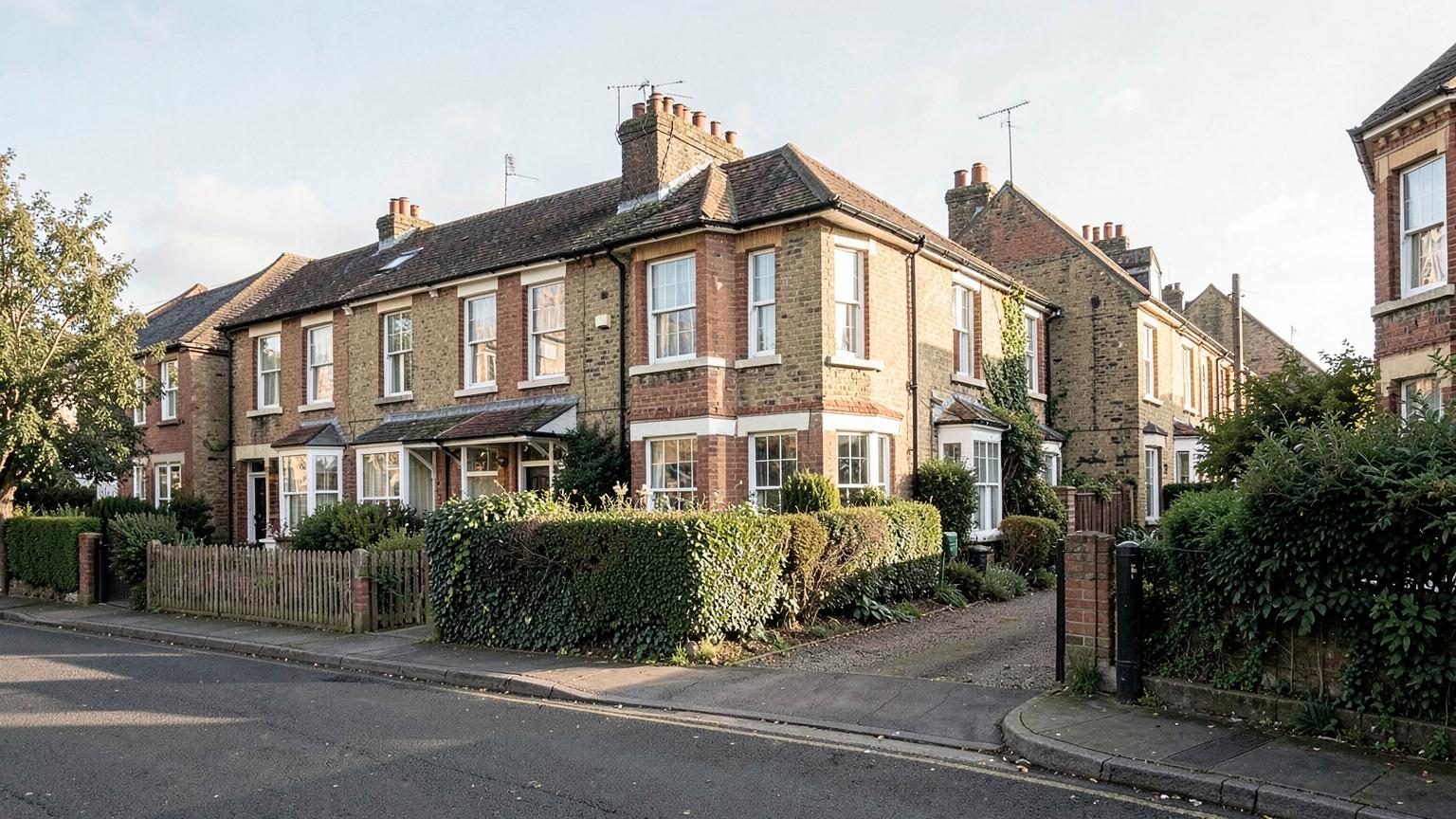




Housing stock in Kingston upon Thames
Kingston town centre has a mix of historic buildings, Victorian terraces converted into flats, and newer high-rise and mid-rise residential development along the river and near the station, typically achieving band B or C. Surbiton and New Malden are dominated by large Edwardian and 1930s houses, many converted into flats or small HMOs, with a mix of solid and cavity wall construction depending on age. Tolworth and the northern wards have more post-war housing and some larger purpose-built blocks. The university and hospital bring a significant HMO population, often in older, solid-walled properties with less efficient heating.
Landlord rules and licensing in Kingston upon Thames
Rented properties in Kingston must meet the MEES minimum of band E, with the proposed rise to band C for new tenancies by 2030 a consideration for the borough's older Edwardian HMO conversions. An EPC is required for HMO licence applications, and Kingston applies mandatory HMO licensing to larger qualifying properties and has operated additional licensing in parts of the borough in the past. Confirm the current position with Kingston Council before submitting an application, and note that the borough's conservation areas mean heritage considerations sometimes limit retrofit options.
What we commonly find here
- Solid-walled Victorian terrace conversions in Kingston town centre with older heating
- Large Edwardian house conversions in Surbiton with single glazing retained
- Student HMOs with older boilers not upgraded for several years
- New-build riverside blocks achieving band B or C
- Cavity walls in some 1930s properties suitable for standard insulation
- Historic town-centre buildings where window replacement is limited by heritage constraints
Working in Kingston upon Thames
Kingston sits partly within the ULEZ boundary, so we confirm the postcode before quoting. The town centre and riverside can be busy with controlled parking, while the suburbs are easier. Travel is priced from our Wembley base by actual driving distance. A domestic EPC visit is typically 20-45 minutes, and student HMOs often need term-time access coordination. Certificates are lodged on the EPC Register the same or next working day.
Kingston town centre's mixed old and new stock
The town centre around the Bentalls area and the riverside walk mixes historic buildings, some listed, with Victorian terraces converted into flats and a growing run of newer high-rise and mid-rise residential development close to the station. Listed buildings still need an EPC when sold or let, though certain measures such as replacement double glazing or external wall insulation may not be practical or permitted, and the assessor records this so the recommendations report reflects what can realistically be done within the constraints. The newer towers, by contrast, are assessed under SAP as new-build dwellings, with ratings generally in Band B or above thanks to modern insulation and heating specifications.
The university and hospital's HMO population
Kingston University and Kingston Hospital both draw a significant population of students and shift-working staff into shared housing across the borough, particularly in the streets around Kingston town centre, Norbiton and the roads towards Surbiton. Each self-contained letting in one of these HMOs needs its own EPC for licensing purposes, and where a house has been split so that several households share one meter, we record the heating and hot water arrangement carefully so the certificate reflects the actual set-up rather than a generic assumption. We can schedule assessments around term-time access where a landlord flags exam periods or empty properties over the summer as the easiest time to get in.
- Each self-contained HMO letting requiring its own EPC for licensing
- Shared meters and heating arrangements recorded accurately for RdSAP
Surbiton and New Malden's large house conversions
Surbiton and New Malden have a substantial stock of large Edwardian and 1930s houses, many split into three, four or occasionally five flats to meet demand from families and young professionals commuting into central London. These conversions often retain solid or part-filled cavity walls and a mix of original and replacement windows across different flats in the same building, so ratings can vary noticeably between units even though the shell is identical. Riverside plots towards Kingston reach add a smaller number of flood-resilient new builds where the SAP calculation accounts for the specified heating and insulation from the outset.
What an EPC costs in Kingston upon Thames
Indicative EPC prices in Kingston upon Thames
| Property | Typical scope | Price from |
|---|---|---|
| Historic or listed town-centre building, Kingston | Domestic EPC with heritage-appropriate recommendations | from £55 |
| Student or shift-worker HMO, Kingston or Norbiton | EPC for HMO licence application | from £45 |
| Large Edwardian house converted to 3-4 flats, Surbiton | Domestic EPC per flat | from £50 |
| New-build riverside flat, Kingston town centre | SAP calculation plus as-built EPC | from £75 |
When you need an EPC in Kingston upon Thames
A valid Energy Performance Certificate is required before a home in Kingston upon Thames is marketed for sale or let, and it lasts ten years. Under the Minimum Energy Efficiency Standard a rented home must reach at least band E, and the government has proposed raising that to band C for rented homes by 2030, so a current certificate is also the starting point for planning upgrades. New builds and material conversions need SAP calculations at design stage and an on-completion EPC, and commercial premises need a non-domestic certificate produced on the same basis.