
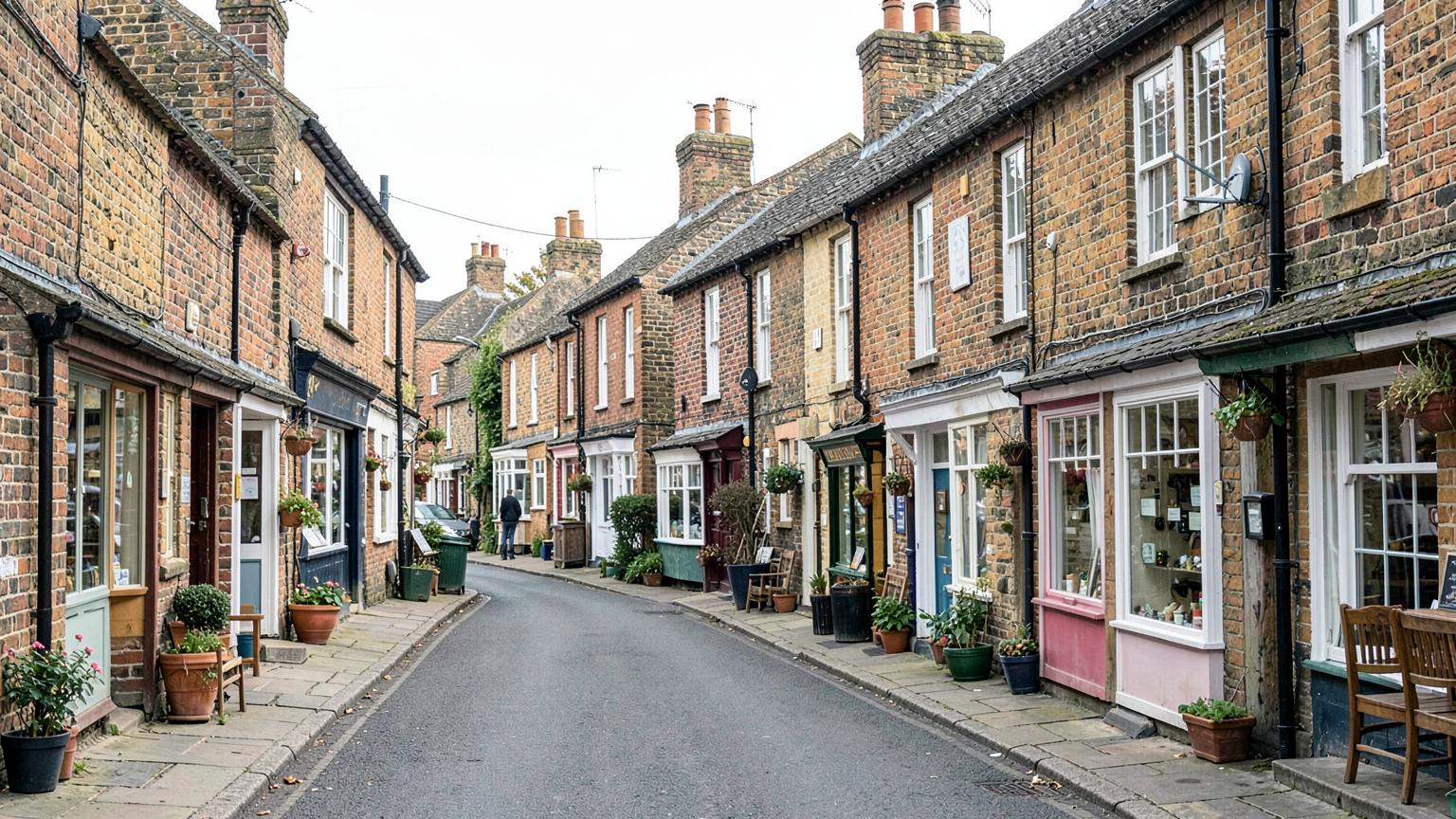




Housing stock in Borehamwood
Most of Borehamwood's housing dates from the 1930s to the 1970s: cavity-walled semis and terraces around Cowley Hill, Brook Road and the Meadow Park area, plus larger council-built estates from the post-war decades with a mix of brick and some system-built construction. Cavity wall insulation take-up varies street by street, and it remains one of the most common single measures separating a D from a C rating here. Newer development along Elstree Way and around the station has brought purpose-built flats assessed under modern Part L standards, generally achieving B or C ratings with double glazing and efficient gas or, increasingly, electric heating. Older properties tend to have replacement double glazing already fitted, since relatively few pre-war originals survive.
Landlord rules and licensing in Borehamwood
Rented homes in Borehamwood must meet the MEES band E minimum, with the proposed move to band C for new tenancies expected from around 2028. Hertsmere Borough Council, which covers Borehamwood, does not run a borough-wide additional licensing scheme at present, though mandatory licensing still applies to qualifying larger HMOs, so landlords should confirm the current position before applying. There are no significant conservation area constraints across most of the town given its largely 20th-century building stock, which generally makes cavity wall and loft insulation upgrades straightforward where they are not already fitted.
What we commonly find here
- Unfilled cavity walls in 1930s-60s semis holding ratings at D when insulation would lift them to C
- Loft insulation present but thinner than current recommendations in many post-war houses
- Older storage heaters in a minority of ex-council flats not yet upgraded to gas or heat pump systems
- Double glazing already fitted to most properties, reducing glazing-related deductions
- Flat roofs on some 1960s-70s extensions with limited insulation value
- Newer Elstree Way flats achieving strong ratings due to recent Part L compliant construction
Working in Borehamwood
Borehamwood is about 10 miles from Wembley, typically a 25-35 minute drive via the A41 and A1, placing it in our closer-to-mid travel band with no central London access charge. Parking is generally easier here than in denser town centres, with free residential streets and pay-and-display near Shenley Road. A domestic visit usually takes 20-35 minutes given the relatively straightforward property types. Certificates are lodged on the Register the same or next working day, with same-day appointments often available.
EPCs near the studios and Elstree Way
Commercial units and offices around Elstree Way and near the studios sometimes need SBEM-based commercial EPCs rather than a domestic assessment; we handle both and can advise which applies before booking.
Portfolio EPCs for Borehamwood landlords
A number of landlords hold several ex-council or post-war properties across the town; we offer portfolio pricing and coordinated scheduling so multiple units can be assessed in a single visit window.
What an EPC costs in Borehamwood
Indicative EPC prices in Borehamwood
| Property | Typical scope | Price from |
|---|---|---|
| Studio or 1-bed flat | Domestic EPC | from £40 |
| 2-3 bed house or flat | Domestic EPC | from £50 |
| 4-5 bed house | Domestic EPC | from £70 |
| Large or period property | Domestic EPC | from £100 |
| Shop, office or small unit | Commercial EPC | from £150 |
When you need an EPC in Borehamwood
A valid Energy Performance Certificate is required before a home in Borehamwood is marketed for sale or let, and it lasts ten years. Under the Minimum Energy Efficiency Standard a rented home must reach at least band E, and the government has proposed raising that to band C for rented homes by 2030, so a current certificate is also the starting point for planning upgrades. New builds and material conversions need SAP calculations at design stage and an on-completion EPC, and commercial premises need a non-domestic certificate produced on the same basis.