
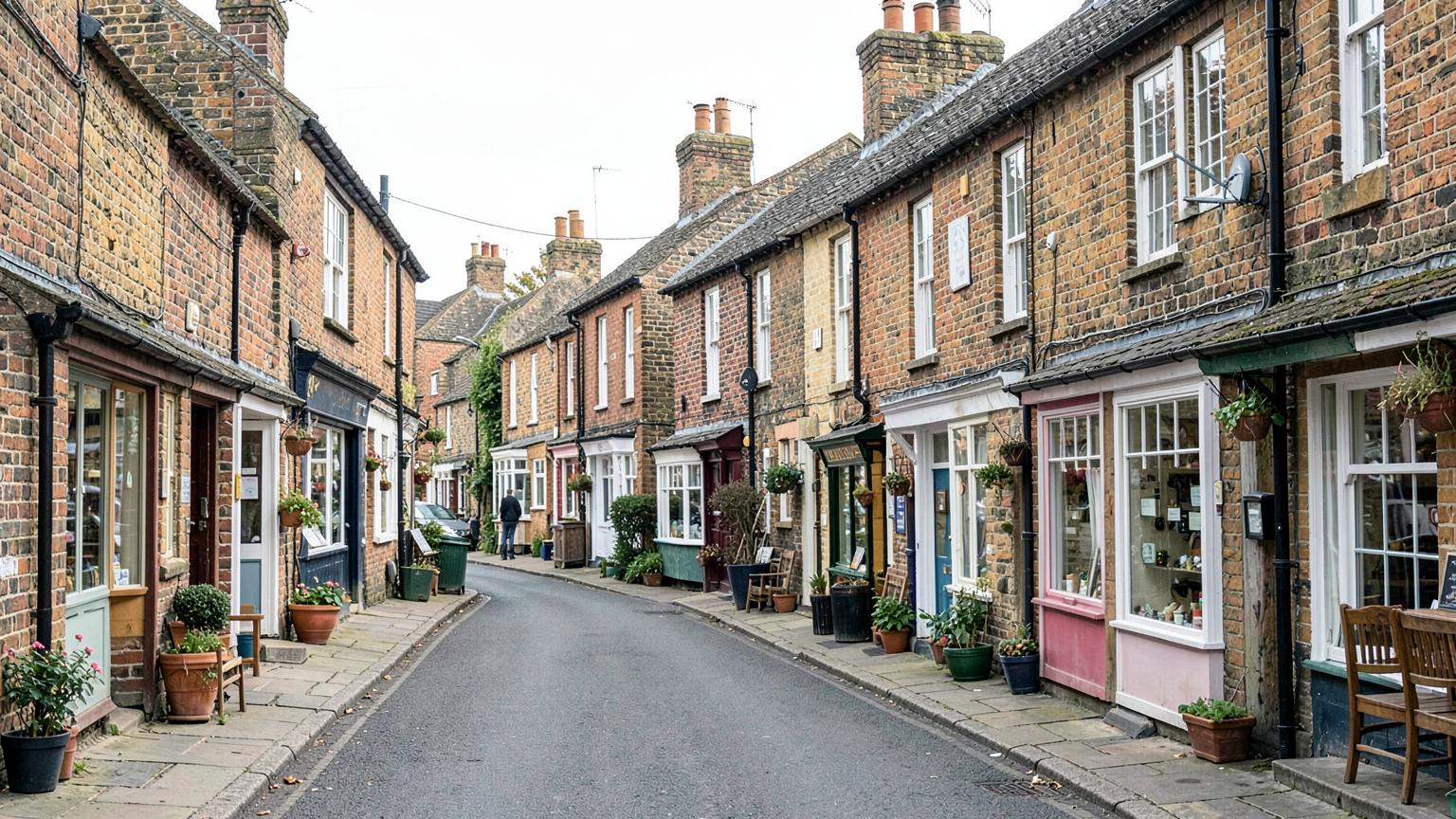




Housing stock in Potters Bar
Victorian and Edwardian villas near the station tend to have solid brick walls and, in unmodernised cases, older heating systems, generally assessing in the D-E range unless insulation or heating upgrades have been carried out. The bulk of the town's housing is 1930s cavity-walled semis and terraces around Mutton Lane and the Wyllyotts area, which respond well to cavity and loft insulation. Post-war estates towards Cranborne and Southgate Road add further cavity and some system-built construction from the 1950s-60s. Newer infill development along the town's edges achieves higher ratings under current Part L standards.
Landlord rules and licensing in Potters Bar
Rented homes in Potters Bar need to meet the MEES band E minimum now, with the proposed tightening to band C for new tenancies expected around 2028. Hertsmere Borough Council covers Potters Bar and applies mandatory licensing to qualifying larger HMOs; there is no blanket additional licensing scheme across the town at present, so the current position should always be checked before an application. A small conservation area around the historic core near the station introduces some constraints on external changes, though most of the town's 1930s and post-war stock has straightforward insulation routes.
What we commonly find here
- Solid brick walls in Victorian villas near the station limiting ratings without internal insulation
- Unfilled cavity walls in 1930s semis around Mutton Lane and Wyllyotts
- Older gas boilers in unmodernised Victorian properties nearing replacement age
- Loft insulation present but thin in many 1950s-60s post-war houses
- Single-glazed secondary windows retained in a minority of period properties
- Newer infill housing achieving C or B ratings under current build standards
Working in Potters Bar
Potters Bar is roughly 12 miles from Wembley, typically a 30-35 minute drive via the A1 or A1000, in our mid-range travel band with no central London access charge. Parking is generally easy on residential streets, with pay-and-display near Darkes Lane and the Wyllyotts Centre. A domestic visit usually takes 20-35 minutes. Certificates are lodged on the Register the same or next working day, with same-day appointments often possible.
EPCs for Darkes Lane businesses
Shops and offices along Darkes Lane and around the Wyllyotts Centre need SBEM-based commercial EPCs; we handle these alongside domestic work in the town.
MEES compliance for Potters Bar landlords
With a good number of Victorian and 1930s rental properties in the town, we advise landlords on realistic, cost-effective routes to band C ahead of the proposed 2030 deadline, prioritising loft and cavity wall insulation before more invasive measures.
What an EPC costs in Potters Bar
Indicative EPC prices in Potters Bar
| Property | Typical scope | Price from |
|---|---|---|
| Studio or 1-bed flat | Domestic EPC | from £40 |
| 2-3 bed house or flat | Domestic EPC | from £50 |
| 4-5 bed house | Domestic EPC | from £70 |
| Large or period property | Domestic EPC | from £100 |
| Shop, office or small unit | Commercial EPC | from £150 |
When you need an EPC in Potters Bar
A valid Energy Performance Certificate is required before a home in Potters Bar is marketed for sale or let, and it lasts ten years. Under the Minimum Energy Efficiency Standard a rented home must reach at least band E, and the government has proposed raising that to band C for rented homes by 2030, so a current certificate is also the starting point for planning upgrades. New builds and material conversions need SAP calculations at design stage and an on-completion EPC, and commercial premises need a non-domestic certificate produced on the same basis.